Protecting wood and buildings
Termite control for homes and new buildings
Termites — known locally as الأرضة — differ from other pests in that they work silently and out of sight. They feed on wood and materials containing cellulose, and a long time can pass before anyone notices damage in a door frame, a cupboard or a wooden floor.
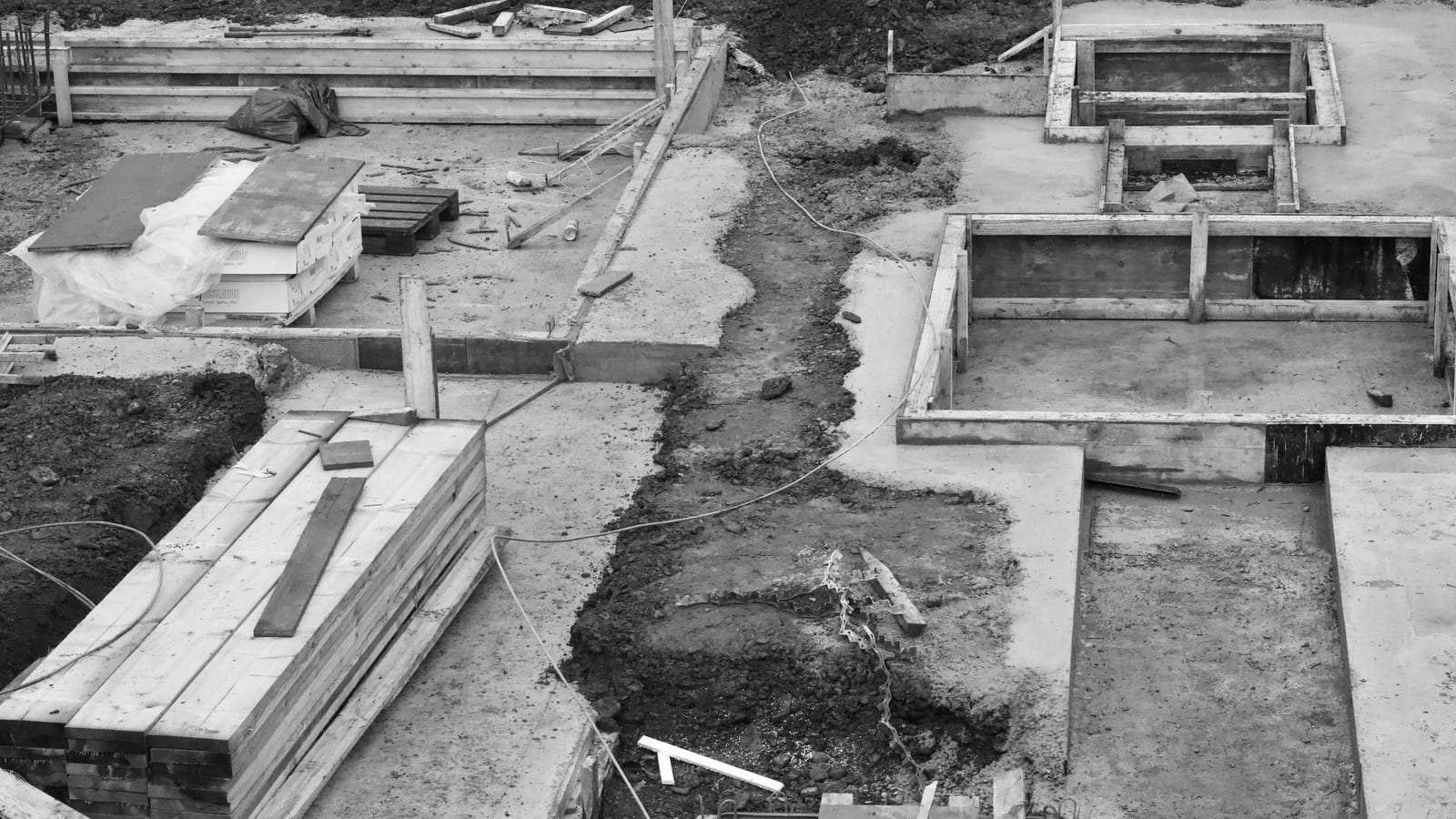
That’s why early inspection and the right treatment save a lot of cost and disruption. In new buildings, treating the soil before the foundations are poured is an important preventive step. With SaudiPestControl you describe your situation once, and your request reaches licensed companies who contact you with offers.
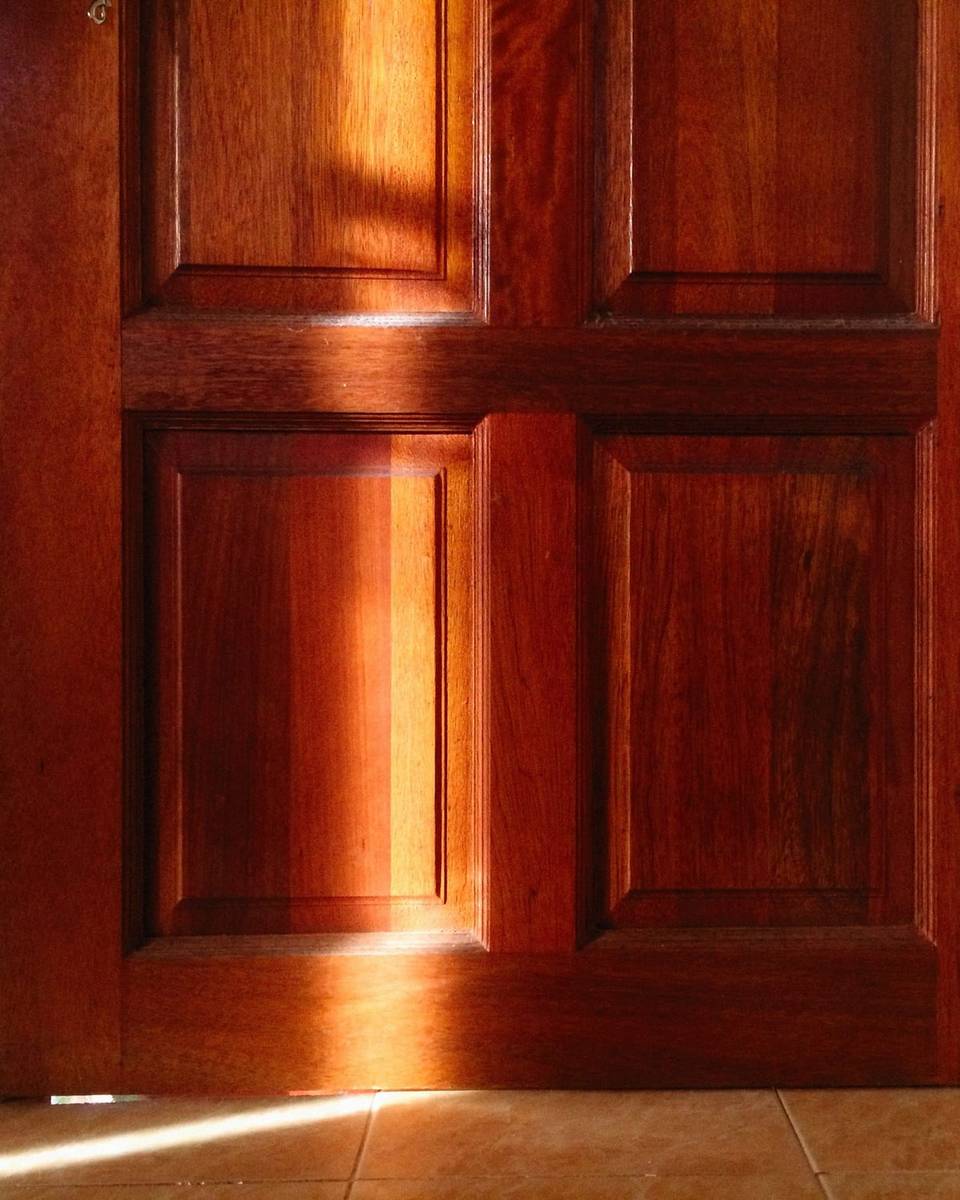
Signs of termites at home
Because termites hide inside wood and walls, look for these signs:
Mud tubes
Thin earthen lines on walls, foundations or around pipes that termites use to travel away from light.
Hollow wood
Door frames, cupboards or boards that look sound but sound hollow when tapped.
Discarded wings
Small, translucent wings near windows and doors, especially in swarming seasons.
Distorted paint
Bubbling or peeling paint or wallpaper can hide activity behind it.
Why termites appear and where they live
Termites usually live in the soil and reach a building in search of wood and moisture. That’s why they are more common near gardens and palm farms, around leaks or damp soil against walls, and in wood that touches the ground.
Their usual routes include cracks in foundations, tile joints and service openings. They can damage doors, cupboards, false ceilings, books and stored cardboard. They are not a kind of ordinary ant, and they need a completely different treatment.
Why not wait — and why not treat them yourself
The termites you see are a small part of the colony, and killing what shows doesn’t remove the source. Proper treatment needs an inspection that finds the entry routes and the colony, then a method suited to the building and the surrounding soil — often with equipment and expertise you don’t have at home.
Every month of delay can mean more damage to woodwork. So we advise asking a licensed company for an inspection at the first sign, and never using professional pesticides yourself.
What a treatment usually includes
Inspection
Checking woodwork, walls, foundations and the garden, and locating activity and entry routes.
Treating an existing building
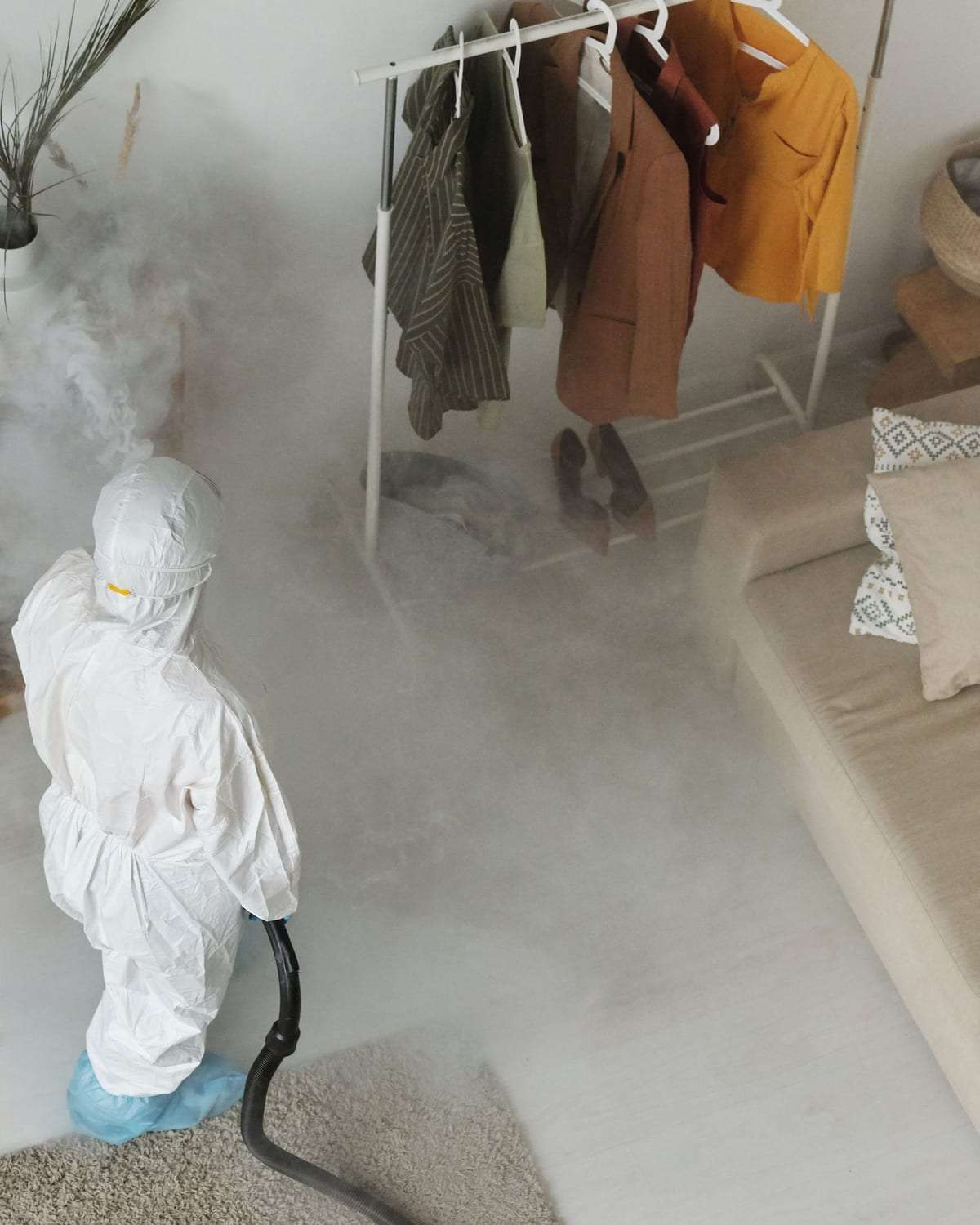
Treating affected areas and the soil around the building with methods the technician chooses for the case.
Pre-construction soil treatment
In new buildings, the soil is treated before foundations and floors are poured to form a protective barrier, coordinated with the contractor.
Follow-up and report
Follow-up visits and a written report of what was done — sometimes a treatment certificate for new buildings.
How to prepare for the visit
- Don’t remove mud tubes or break damaged wood before the inspection — they help the technician trace the routes.
- Clear access to wooden cupboards, wall edges and the garden.
- Have details ready of any past leaks or irrigation close to the walls.
- In new buildings, coordinate the treatment date with the contractor before foundations or floors are poured.
- Tell the company about children, pets, wells or water tanks nearby.
Safety during and after treatment
Termite treatment usually takes place in the soil, foundations and inside walls, so following the company’s instructions matters: when you can use the garden, when you can water it, and how to protect water tanks and wells.
Keep children and pets away from treated areas until the technician says it’s fine, and ask for the instructions in writing. If anyone feels unwell, seek medical help and tell the doctor about the treatment.
How to reduce the risk of their return
- Fix leaks around the building and keep irrigation water away from walls and foundations.
- Don’t store wood or cardboard against walls or directly on the ground.
- Leave a gap between soil and woodwork in the garden and on fences.
- Check wooden doors and cupboards regularly, especially on ground floors.
- For a new home, ask the contractor about pre-construction soil treatment.
What to ask the company
- Does the company hold a valid licence and have experience with termites?
- Which method suits my building, and why?
- Are the products approved, and how are water tanks and wells protected?
- How many follow-up visits does the plan include?
- What is your re-treatment policy, and for how long?
- For new buildings: do you issue a certificate or report of the treatment?
What decides the price?
The cost of termite control depends on:
- The size of the building and the surrounding soil.
- How severe the infestation is and how many areas are affected.
- The treatment method that suits the case.
- An existing building or soil treatment before construction.
- The number of follow-up visits and the follow-up period.
Read the pest control cost guide and the pre-construction termite treatment guide.
Termites: FAQ
How do I tell termites from ordinary ants?
Termites usually work away from light inside wood and mud tubes, while ordinary ants appear in open trails near food. An inspection settles it — read about ant control.
Do termites damage concrete?
They don’t feed on concrete, but they can travel through its cracks to reach wood and other materials in the building.
Why treat the soil before building?
Because the soil under foundations and floors is hard to reach after construction, so treating it beforehand forms a protective barrier more easily and at lower cost.
Do we need to leave the house?
It depends on the method and where it is applied. Ask the company beforehand.
How long does the protection last?
It varies with the method, conditions and company policy. Ask for the follow-up period and re-treatment policy to be written into the offer.
Do you cover businesses and warehouses?
Yes — see commercial pest control and contracts.

Request termite control offers
Describe your situation or new building once and let licensed companies contact you with offers.