1. What is pre-construction soil treatment?
The general idea is to treat the soil under and around the building before the foundations and floors are poured, creating a protective layer that makes it harder for termites to reach the building from the soil. Termites usually live in underground colonies and reach wood and cellulose materials in buildings through cracks, joints and pipes.
The treatment is done by a licensed pest control company using approved products at set stages of construction, timed with the building contractor. The aim is for protection to be part of the building from the start, not an add-on after a problem appears.
2. Why it matters
Because the soil under floors and foundations is easy to reach before pouring and much harder to reach the same way afterwards. Treatment after construction is possible but usually more complex, may involve drilling or digging around the building, and costs more.
Termite damage also progresses silently and can affect doors, frames, cupboards and wooden ceilings for years before anyone notices. Prevention from the start is much easier and cheaper than repairing damage later. Read about early signs of termites.
3. Is it required in every project?
Termite soil treatment is required in many building projects in the Kingdom; it may be a requirement of the competent authorities, part of the project’s technical specifications, or required by some funding bodies. Details vary by region, building type and authority.
So ask the supervising engineer and the building contractor from the start: is treatment required for my project? What requirements must be followed? What documents are needed afterwards? Check with the competent authorities if you’re not sure.
4. Where it’s needed most
- Sites near farms, palms and irrigated soil — as in Al-Ahsa, Qassim, Al-Kharj and Madinah.
- Areas with high humidity or a shallow water table.
- Sites where termites have appeared in neighbouring buildings.
- Projects using a lot of wood in doors, ceilings and decoration.
- Land that used to be farms or orchards.
Even on lower-risk sites, treatment is a relatively small investment compared with the cost of potential damage.
5. When does it happen in the project?
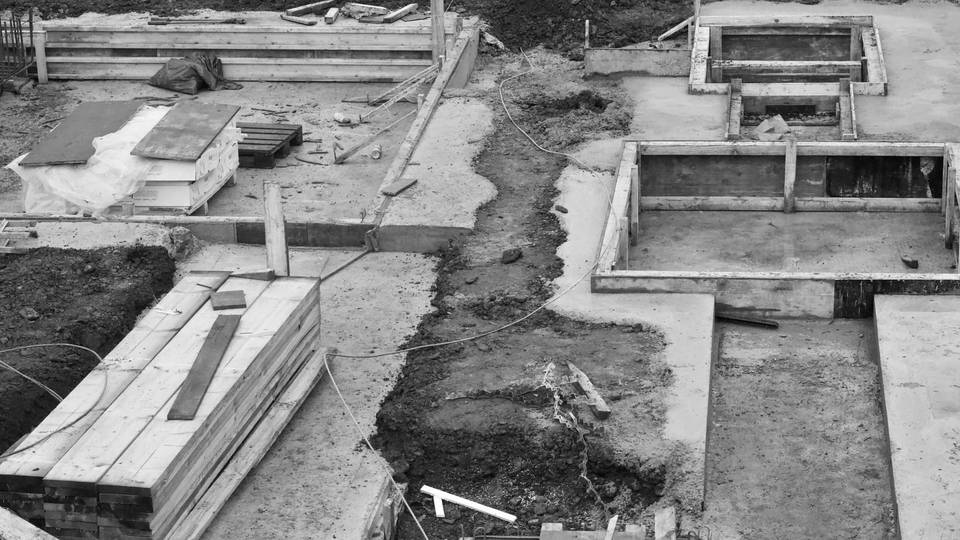
Treatment usually happens in stages linked to construction progress: after excavation and levelling and before the foundations are poured, then before the ground-floor slab, and sometimes around the building after backfilling and before external works. The engineer and the company set the right stages for your project.
What matters is good timing coordination, because treatment must happen at exactly the right time — not too early, where later works could affect it, and not after pouring, when it’s too late. So agree a clear schedule with the company and the building contractor, and have the contractor notify the company well before each stage.
6. Who is responsible — owner or building contractor?
It depends on the contract. In some projects treatment is within the main building contractor’s scope and they hire the pest control company. In others the owner contracts the company directly, and the building contractor only coordinates and gives access to the site at the right time.
What matters is that this is clear and written into the building contract from the start, so treatment isn’t missed because each side assumed the other was responsible. Ask the building contractor directly: is termite soil treatment included in your contract, and which company will do it?
7. Choosing the treatment company
- Check the company is licensed for pest control.
- Ask about its experience with pre-construction soil treatment specifically.
- Ask for a written offer setting out the stages and areas covered.
- Ask about products: are they approved by the competent authorities?
- Ask which documents it will provide afterwards, such as a treatment certificate and a report for each stage.
- Ask about the expected protection period and the follow-up and re-treatment policy.
Also read how to choose a pest control company.
8. Documents to keep
After each treatment stage, ask the company for a report or certificate showing the date, stage and area treated. Keep these documents with the project file — you may need them later for the authorities, when selling the house, or when asking the company for follow-up or re-treatment.
If you buy a new home from a developer, ask about these documents before buying: was the soil treated? When? By which company? Having this information gives you a clearer picture of how the home is protected.
9. What if treatment was missed before construction?
If the building was completed without soil treatment, there’s no need for undue worry — licensed companies offer post-construction methods, such as perimeter treatment and monitoring systems. But these are usually more complex and need a careful inspection to choose the right approach.
In that case, regular inspection of the home helps, especially in at-risk areas, as does keeping wood and moisture away from the foundations. Read about termite control.
If you’re planning an extension or new annex next to the existing house, that’s a good opportunity to treat the soil under the new part before pouring, and to discuss protecting the existing building with the company at the same time.
10. Prevention after construction
- Don’t let wood touch the soil directly in the garden, fences or outdoor decoration.
- Fix leaks and improve drainage around the foundations.
- Don’t stack firewood, timber or building waste against the walls.
- Reduce over-watering near the house walls.
- Don’t dig around the building after treatment without consulting the company — it may affect the protective layer.
- Ask for regular inspection as the company recommends.
FAQ
Is pre-construction soil treatment mandatory?
It’s required in many projects, and requirements vary by region and authority. Check with your engineer and the competent authorities.
When should I contact the treatment company?
Before excavation starts, so you can agree the stage schedule with it and the building contractor.
Is the building contractor responsible for treatment?
It depends on the building contract. Make sure it’s written clearly from the start.
Can treatment be done after construction?
Yes — licensed companies offer methods for that, but they’re usually more complex than pre-construction treatment.
Which documents should I ask for?
A report or certificate for each stage showing the date and area treated; keep them with the project file.
This guide is general information, not medical or technical advice, and contains no instructions for using pesticides. Treatment is the work of licensed pest control companies; for stings, bites or health symptoms, seek medical help immediately.