Sleep calmly again
Bed bug treatment for homes and hotels
Bed bugs are one of the most distressing pests, because they live close to where people sleep, come out at night and hide in tiny places that are hard to reach. Many families only discover them after weeks of itching and worry, try home remedies that don’t work, and the problem spreads between rooms.
The good news is that bed bugs can be eliminated with the right plan and patience through the treatment stages. With SaudiPestControl you describe your situation once and your request reaches licensed pest control companies, who contact you with offers and explain their treatment plan.

How do you know you have bed bugs?
Watch for these signs, especially in bedrooms:
Bites after sleeping
Itching and redness on skin exposed during sleep, sometimes in a line or cluster. Bites alone aren’t enough for a diagnosis, though.
Spots on sheets
Small dark dots or faint blood spots on sheets and mattress covers.
Marks in mattress seams
Tiny dark spots in mattress seams, bed corners and behind the headboard.
A faint smell
With larger infestations you may notice an odd smell in the room.
Where bed bugs come from and where they hide
Bed bugs aren’t linked to poor hygiene, as many people think. They travel in luggage and clothes after a trip, with second-hand furniture, and from flat to flat in apartment buildings and shared housing. That’s why they can turn up in the cleanest homes and hotels.
They hide close to where people sleep: in mattress seams, bed frames, sofas, behind pictures, in wall cracks, under carpet edges and even inside electrical sockets. Their small size and ability to survive a long time without feeding mean getting rid of them takes a plan.
Why you need a specialist company
Home attempts usually miss many hiding places and can push bed bugs into other rooms. Successful treatment starts with a careful inspection of every likely room, followed by treatment in stages, because eggs may not be affected by the first treatment — a second visit deals with what hatches afterwards.
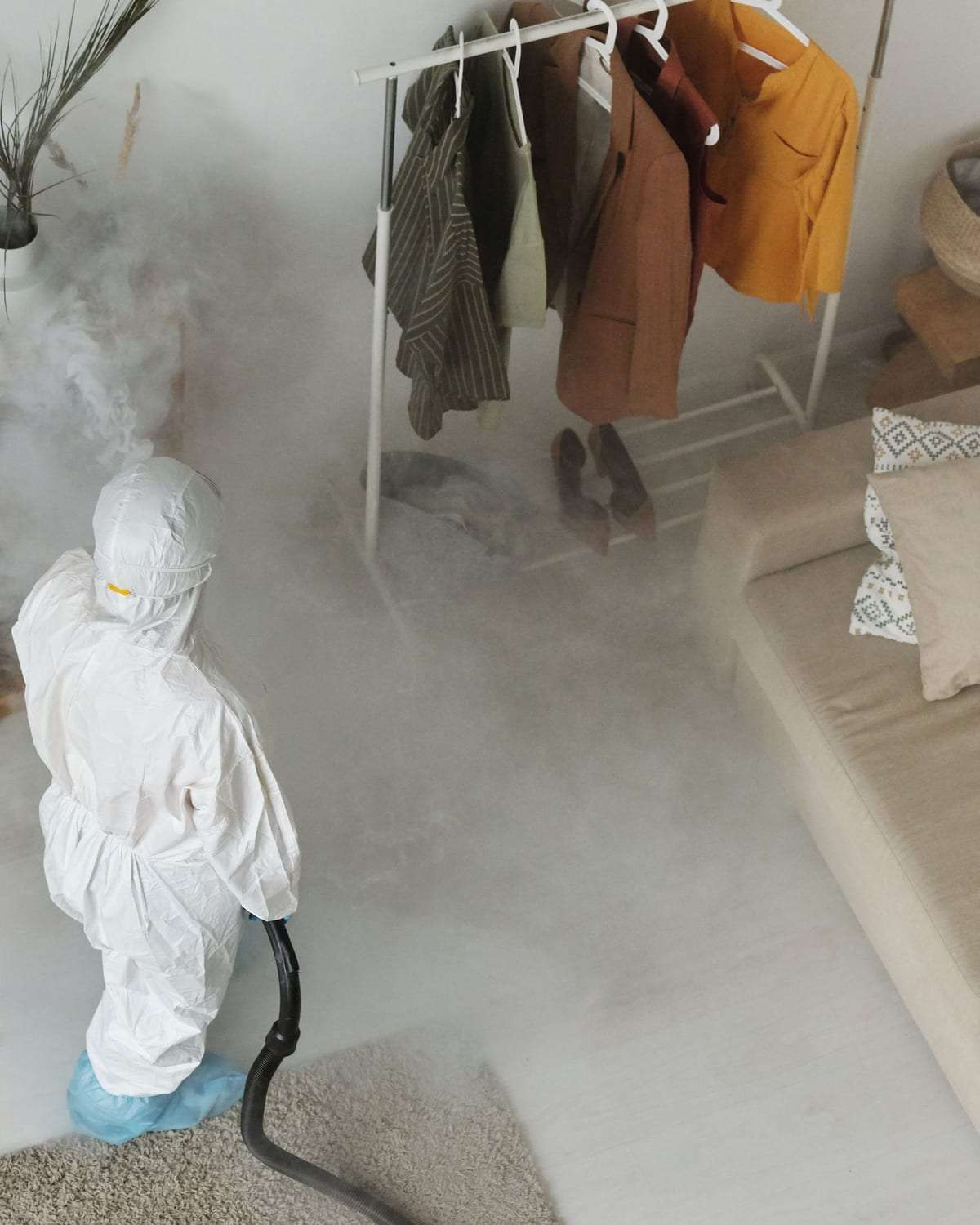
A licensed company chooses the right method for the size of the infestation and the type of furniture, may combine more than one method, uses approved products and gives you clear instructions. We never recommend using professional pesticides on mattresses and sleeping areas yourself.
What a treatment usually includes
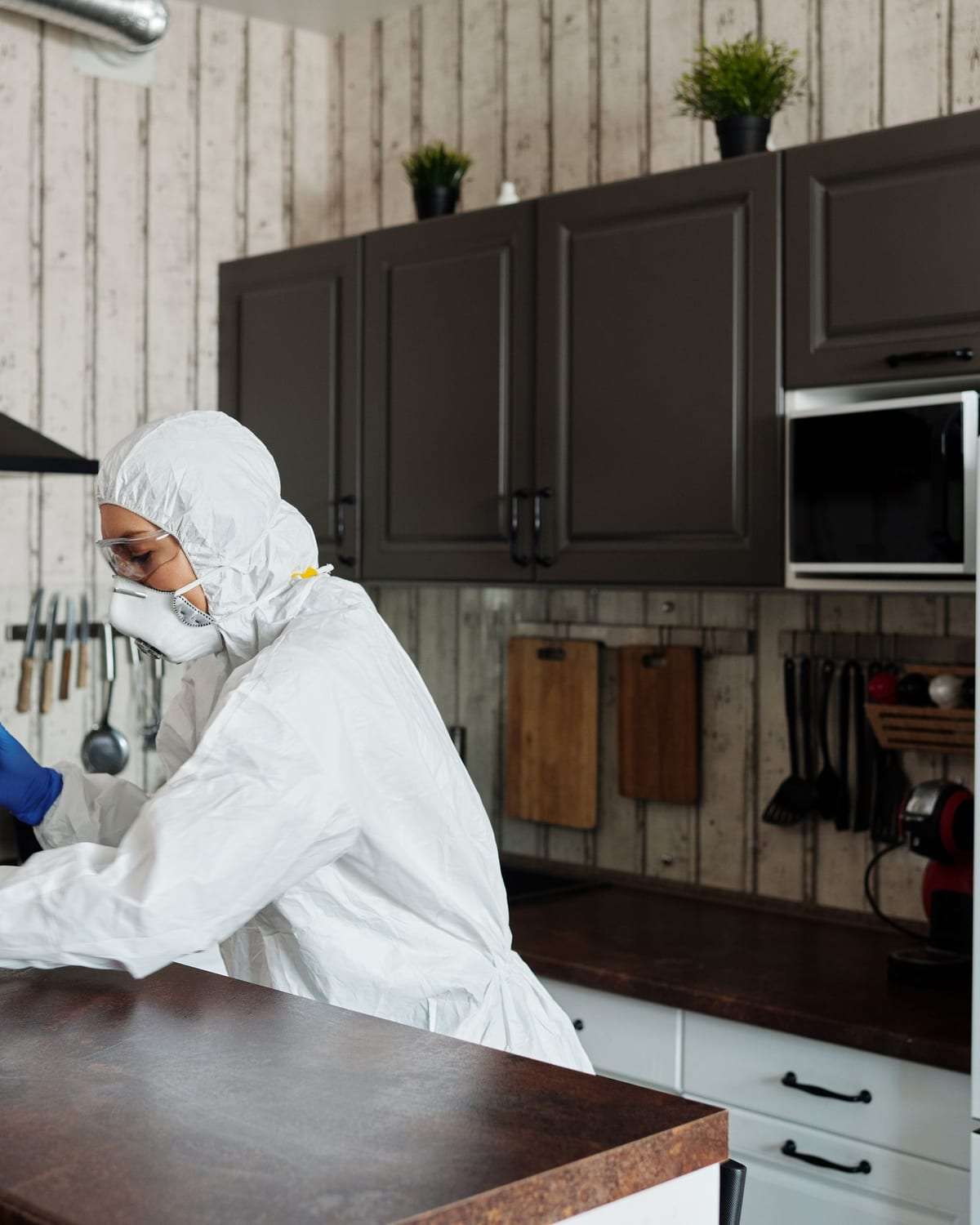
Room inspection
Checking bedrooms, sofas and neighbouring rooms to establish the size and location of the infestation.
A staged plan
An explanation of the right method, the number of visits and what to prepare before each visit.
Treatment
Treating hiding places in beds, furniture and cracks with methods suited to sleeping areas.
Second visit and check
A follow-up visit after a period set by the technician to deal with bugs that hatched later.
How to prepare before the visit
- Wash sheets and clothes near the bed at the highest temperature the fabric allows, dry them well, then keep them in sealed bags.
- Don’t move furniture or mattresses between rooms, so bed bugs don’t spread.
- Empty drawers and wardrobes near the bed if the technician asks you to.
- Tidy the room so the technician can reach the wall edges and under the bed.
- Tell the company about babies, young children, pets or anyone with allergies.
Safety during and after treatment
Stick to the time the company gives before going back into treated rooms and before sleeping in them — it varies with the method. Ventilate the rooms as the technician advises, and don’t wash or wipe treated areas before the stated time.
Keep babies and pets out of treated rooms until the technician says it’s fine. If the itching is severe or a skin allergy appears, see a doctor — the company treats the space, not the skin.
How to keep them from coming back
- After travelling, check your suitcase before bringing it into the bedroom, and wash clothes straight away.
- Inspect second-hand furniture carefully before bringing it home.
- Use sealed mattress covers if the company recommends them.
- Reduce clutter around the bed, which gives bed bugs places to hide.
- In apartment buildings, tell the building management if the problem recurs — the source may be a neighbouring flat.
What to ask the company
- Does the company hold a valid licence, and does it have experience with bed bugs specifically?
- How many visits does the plan include, and why?
- Which methods and products will be used in bedrooms, and are they approved?
- When can we sleep in the treated rooms again?
- What is your re-treatment policy if bed bugs appear after the last visit?
- Will you inspect neighbouring rooms too?
What decides the price?
The cost of bed bug treatment varies a lot. The main factors:
- The number of rooms, beds and pieces of furniture affected.
- How widespread the infestation is.
- The treatment method that suits the situation.
- The number of visits needed.
- The type of place: flat, villa, hotel or staff accommodation.
Read the pest control cost guide and ask for written offers that state the number of visits.
Bed bugs: FAQ
Do I have to throw the mattress away?
Not always. Many mattresses can be treated; the technician decides after the inspection. Don’t throw furniture out before asking, so you don’t carry bed bugs elsewhere.
Why does treatment need more than one visit?
Because eggs may not be affected by the first treatment, so a second visit deals with what hatches afterwards.
Do bed bugs spread disease?
They aren’t known to spread disease, but their bites can cause itching, irritation and lost sleep, so they deserve prompt treatment.
Can I sleep in another room?
Bed bugs may follow you to the other room. Ask the technician what is best in your case.
Do you cover hotels and staff accommodation?
Yes — choose the right property type in the form, and see commercial pest control.
Does general disinfection get rid of bed bugs?
Disinfection is different from bed bug treatment, which needs targeted treatment of their hiding places. Read about general spraying and disinfection.



Request bed bug treatment offers
Describe your situation once and let licensed companies in your city contact you with a treatment plan.