For homes, warehouses and restaurants
Rodent control for rats and mice
Rats and mice are pests nobody wants to see at home or at work. They spoil food, furniture and cables, leave unhygienic traces, and breed quickly when they find food and shelter. They are often heard before they are seen: scratching in a false ceiling or behind cupboards at night.
A lasting solution isn’t only about removing the rodents that are there — it means finding where they get in and closing those routes. With SaudiPestControl you describe the problem once, and your request reaches licensed pest control companies who contact you with offers.
Signs of rats and mice
Watch for these signs in the kitchen, storeroom and ceiling:
Night-time noises
Scratching or movement in false ceilings, inside walls or behind appliances.
Gnaw marks
Gnawing on food bags, doors, cables or plastic pipes.
Small droppings
Small dark pellets near food or along the edges of walls.
Grease trails
Dark smudges along walls where rodents pass regularly.
Where rodents get in, and why
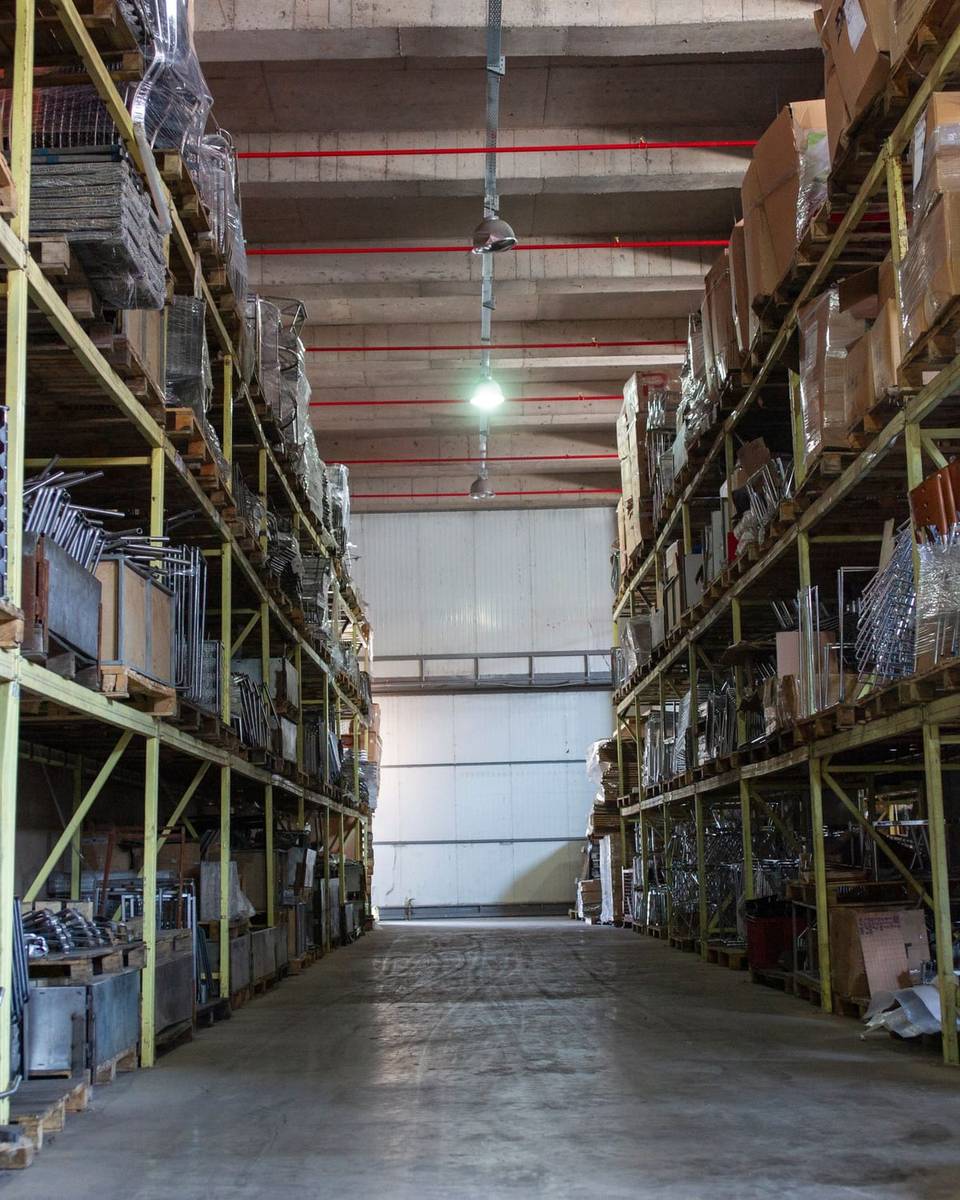
Rodents look for food, water and a quiet shelter. They get in through gaps smaller than people expect: spaces under doors, openings for pipes and air-conditioner lines, drains, and cracks in walls and boundary walls. Buildings near empty plots, bins or restaurants are more likely to be affected.
In warehouses and restaurants they find shelter between stacked goods, cardboard and under equipment. At home they are most common in storerooms, false ceilings and kitchens, especially where food or rubbish is left uncovered.
Why you need a specialist company
Rodent control takes knowledge of their behaviour, choosing the right spots for traps and closed bait stations away from children and pets, and following up until activity stops. Most importantly, the entry points must be found and closed, or new rodents will come in.
A licensed company uses approved means and products, places them safely, and returns to check them and remove rodents hygienically. We don’t recommend putting down rodenticides yourself, especially in a home with children or pets.
What rodent control usually includes
Inspection
Finding activity, hiding places and entry points inside and around the building.
Control
Placing traps or closed bait stations in carefully chosen spots out of reach of children and pets.
Sealing gaps
Recommendations or work to close the openings and cracks rodents use to get in.
Follow-up
Visits to check traps and stations until activity stops, with a written report for businesses.
How to prepare
- Keep food in sealed containers and don’t leave pet food out overnight.
- Tidy the storeroom and move boxes away from walls so the space can be inspected.
- Don’t touch droppings or dead rodents with bare hands — leave that to the technician.
- Tell the company where you hear noises or see signs.
- Tell the technician about children or pets so they can choose safe spots for stations.
Safety during and after control
Bait stations and traps must be placed where children and pets can’t reach them — don’t move or open them, and ask the technician where they are. If a child or pet has been near one or touched it, call a doctor or vet straight away.
Clean areas where there were droppings carefully, as the technician advises, with gloves and good ventilation. Ask the company to remove any dead rodents.
How to keep them from coming back
- Close gaps under outside doors and openings around pipes and lines.
- Fit suitable covers on drains.
- Keep rubbish away from the building, in closed bins.
- Don’t pile up belongings and boxes in storerooms and on roofs.
- Trim plants that touch walls and boundary walls.
What to ask the company
- Does the company hold a valid licence?
- Where will stations and traps go, and how are they protected from children and pets?
- Does the service include finding and sealing entry points?
- How many follow-up visits, and who removes dead rodents?
- What is your re-treatment policy?
- For businesses: do you provide written reports and a station map?
What decides the price?
The cost depends on:
- The type and size of the place: home, restaurant, warehouse or farm.
- How much activity there is, and where.
- The number of stations, traps and follow-up visits.
- Sealing work, if it is part of the offer.
- A single visit or a regular contract for businesses.
Read the pest control cost guide before comparing.
Rodent control: FAQ
How long does rodent control take?
It depends on the level of activity and the place, and may need several follow-up visits until activity stops completely.
Are bait stations safe around children?
Closed stations are usually used and placed out of reach of children and pets. Ask the technician where they are and don’t move them.
Do rodents spread disease?
They can spread germs through their droppings and by contaminating food and surfaces, which is why they deserve prompt control.
Why did rodents come back after treatment?
Usually because the entry points weren’t closed. Ask the company about sealing gaps as part of the solution.
Do you cover warehouses and restaurants?
Yes — see commercial pest control and contracts.


Request rodent control offers
Describe the place and the problem once and let licensed companies contact you with offers.