Clean roofs and balconies
Bird and pigeon control for roofs and balconies
Pigeons look lovely in a square, but when they settle on your roof, balcony or behind outdoor units they become a real nuisance: early-morning noise, droppings that build up, stain facades and block gutters, and nests in corners and openings. The longer they stay, the harder they are to move, because they get used to the place.
Bird control means keeping birds away with humane methods that stop them perching and nesting — not harming them. With SaudiPestControl you describe your property once, and your request reaches specialist companies in your city who contact you with offers.
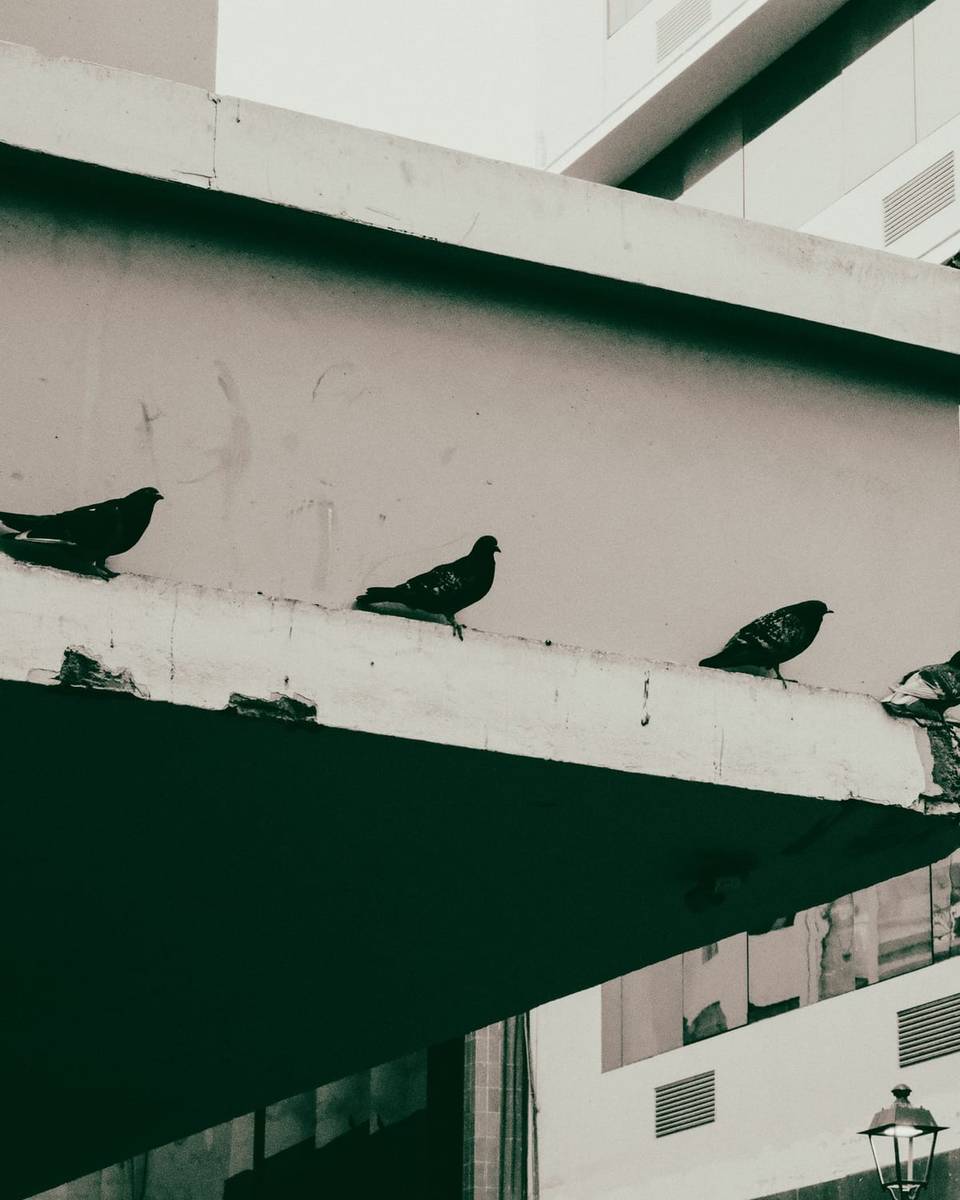
When do you need a bird solution?
Consider a professional solution if you notice:
Birds gathering daily
Pigeons perching every day on the roof edge, balcony railings or behind outdoor units.
Nests
Nests in corners, vents and under solar panels or shades.
Building droppings
Droppings on floors, facades and cars that come back quickly after cleaning.
Blocked gutters
Feathers and nests blocking gutters and drains.
Why pigeons settle on a building
Pigeons look for a safe high spot near food and water. Wide ledges, the tops of outdoor units and unused balconies give them that — especially if someone feeds birds nearby or food scraps are left out.
Once pigeons build nests and breed in a place, they become attached to it and return even if chased away for a while. That’s why temporary measures like shooing them rarely work; you need barriers that stop them perching and nesting.
Why you need a specialist company
Installing barriers on high ledges and facades takes tools, experience and attention to working-at-height safety. A specialist company chooses the right solution for each spot: netting for balconies and openings, spikes or wires for ledges, and barriers for outdoor units and solar panels — plus removing nests and cleaning.
The aim is to keep birds away humanely, without harming them. Some wild birds may be legally protected, so don’t try to trap them or use poisons.
What the service usually includes
Survey
Identifying perching and nesting spots and the ways into openings and balconies.
Cleaning
Removing nests and droppings hygienically before installation.
Installing barriers
Netting, spikes, wires or barriers suited to ledges, balconies and outdoor units.
Follow-up
A check after installation to make sure the birds haven’t found a new way in.
How to prepare
- Tell the company where and when pigeons gather.
- Clear balconies of belongings so the team can work.
- Make sure the roof or facade can be reached, and tell the company if the building is tall.
- In apartment buildings, coordinate with management or neighbours if ledges are shared.
- Don’t clean heavy droppings yourself without protection.
Safety during and after the work
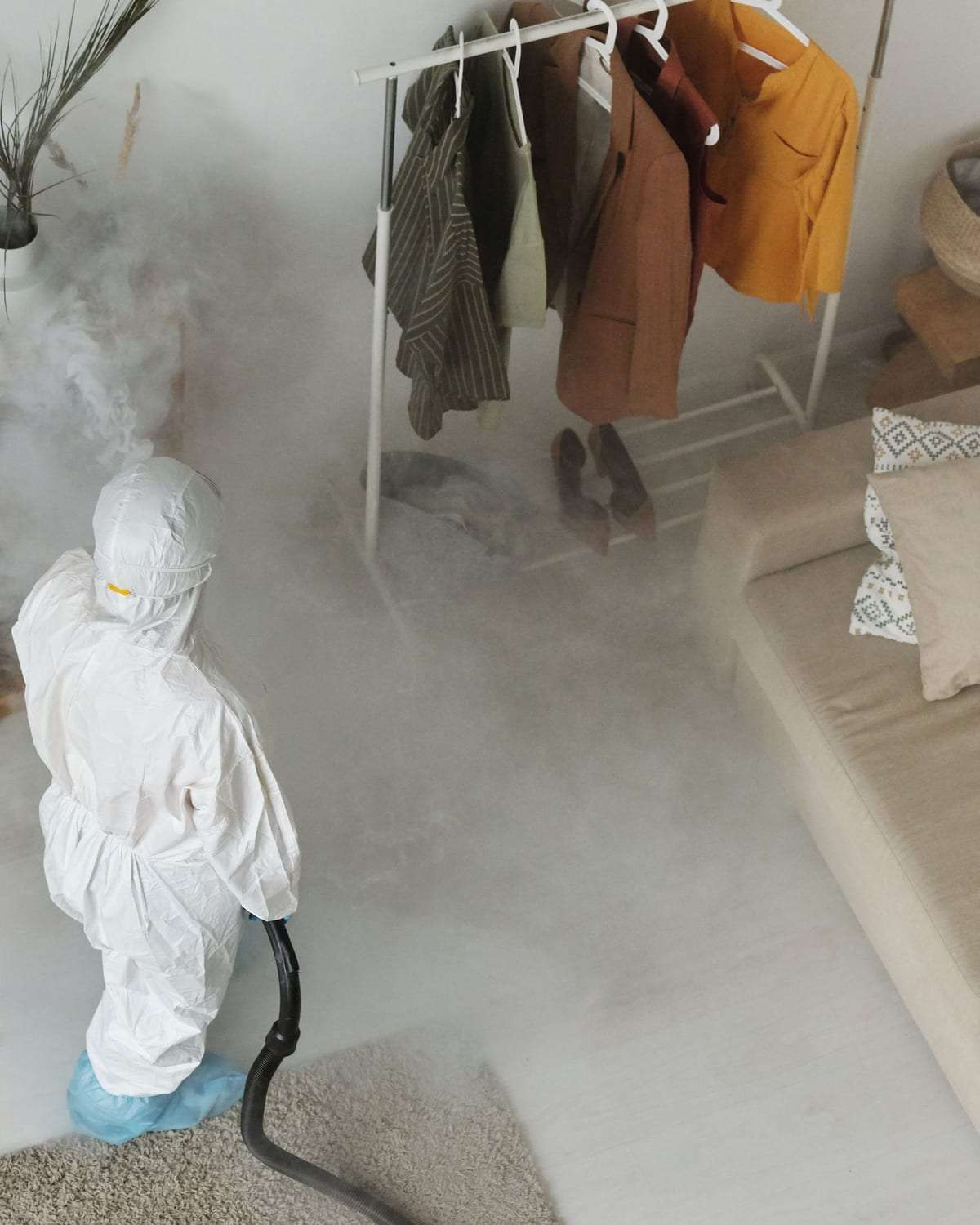
Accumulated bird droppings can carry germs, so it’s best to have them cleaned by a specialist team with protective equipment. If you clean small amounts yourself, wear gloves and a mask, dampen the droppings before removing them so dust doesn’t rise, and wash your hands well afterwards.
During installation at height, keep children away from balconies and the roof, and leave the work to the team with safety equipment.
How to keep birds from returning
- Don’t leave food, grain or water out on the roof and balconies.
- Close gaps and openings where birds could nest.
- Check barriers after storms and strong winds.
- Clean balconies regularly — a clean space is less attractive.
- Encourage neighbours not to feed pigeons near buildings.
What to ask the company
- Are the proposed solutions humane, without hurting the birds?
- Which barrier suits each spot, and what is it made of?
- Does the offer include nest removal and cleaning?
- How long does the barrier last, and what is the maintenance policy if it’s damaged?
- Does the team have safety equipment for working at height?
- Can you show photos of similar previous work?
What decides the price?
The cost depends on:
- The length of ledges and the area of balconies and openings to protect.
- The type of barrier and its material.
- The height of the building and how hard it is to reach.
- How much cleaning and nest removal is needed.
- The number of locations in the building or compound.
Read the pest control cost guide to see how to compare offers.
Bird control: FAQ
Do these solutions harm the birds?
The usual solutions are deterrents that stop birds perching and nesting without harming them. Ask the company about the type of solution.
Can netting be fitted without changing how the facade looks?
There are low-visibility nets and spikes. Ask the company for samples or photos before installation.
Why do pigeons come back after being chased away?
Because they are attached to where they nested. Permanent barriers plus nest removal work better than temporary scaring.
Are pigeon droppings harmful?
They can carry germs, damage surfaces and block gutters, so they are best cleaned with suitable protection.
Do you cover apartment buildings and businesses?
Yes — give the building type and number of locations in your request, and see commercial pest control.

Request bird control offers
Describe your property once and let specialist companies in your city contact you with offers.