1. Licensing first
The first thing to check is that the company is licensed by the competent authorities to carry out pest control and has a valid commercial registration. A licence means the company works to set requirements, its products and methods are subject to oversight, and you have somewhere to turn if something goes wrong.
Ask for the licence number and commercial registration, and don’t hesitate to check them. A serious company isn’t bothered by this — it provides them easily. Through SaudiPestControl we only work with companies that say they’re licensed, but the final check is your right and responsibility before you agree.
2. Inspection before price
A company that gives you a final price over the phone without asking anything, or without seeing the property, is giving you a general estimate that may change. A serious company asks about the pest, how widespread and long-standing it is, the property type and size, and whether there are children or pets — and may ask for an inspection visit before a final offer in bigger cases.
A good inspection identifies the pest, its source and hiding places, which is what makes treatment targeted and effective. That’s why our request form collects this information from the start, so the offers you get are based on a real description.
The more precise your description, the closer the offers are to reality. Say when the problem started, exactly where you’ve seen the pests, whether you’ve tried anything, and whether the home has been treated before and when. If you can, take photos of the pests or their signs — photos help the company identify the pest before the visit and make it less likely the price changes after inspection.
3. The written offer
Ask for a written offer that states at least:
- The pest or pests covered.
- The areas to be treated: rooms, kitchen, garden, roof, annexes.
- The number of visits and the interval between them.
- Preparation instructions before the visit and safety instructions after.
- The re-treatment policy if the problem returns — its duration and conditions.
- The total price, what it includes, and how payment works.
A written offer protects you and the company, and makes comparing offers fair.
4. Compare scope, not just price
The cheapest offer isn’t necessarily the best value. It may be cheaper because it includes only one visit when two are needed, because it treats only the kitchen and not the bathrooms and drains, or because it includes no follow-up. A higher offer, on the other hand, may be more complete and clearer.
Put the offers side by side and compare the same items: pests, areas, visits, follow-up and re-treatment policy. Ask about any difference you don’t understand. Read what drives pest control costs.
5. Questions to ask
- Are you licensed? What’s the licence number?
- Which method will you use, and why does it suit my case?
- Are the products approved? Are they suitable with children or pets at home?
- How many visits do we need, and how far apart?
- How long do we stay out of rooms after treatment?
- What happens if the problem comes back?
- Do you provide a written report after the visit?
6. Technicians and equipment
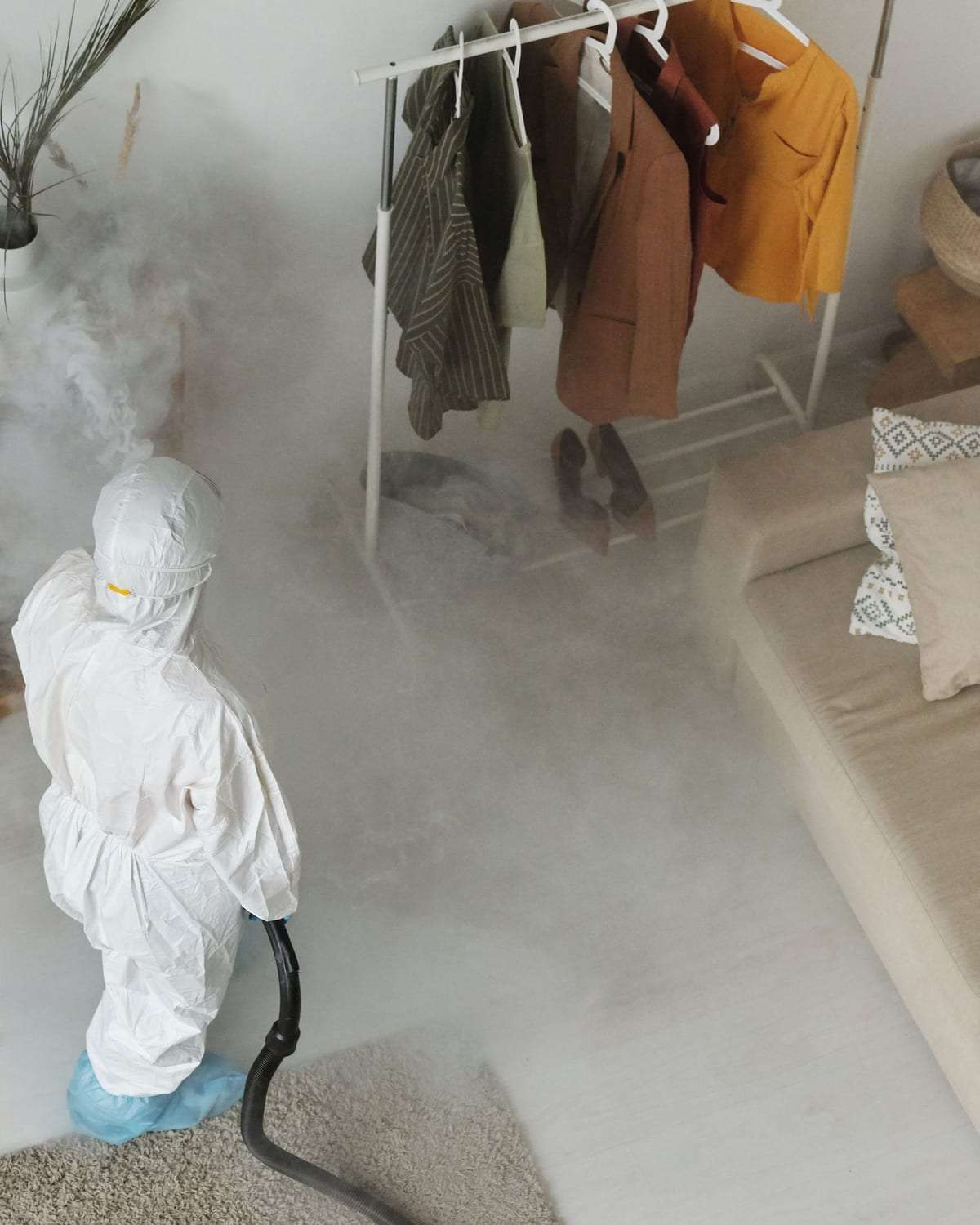
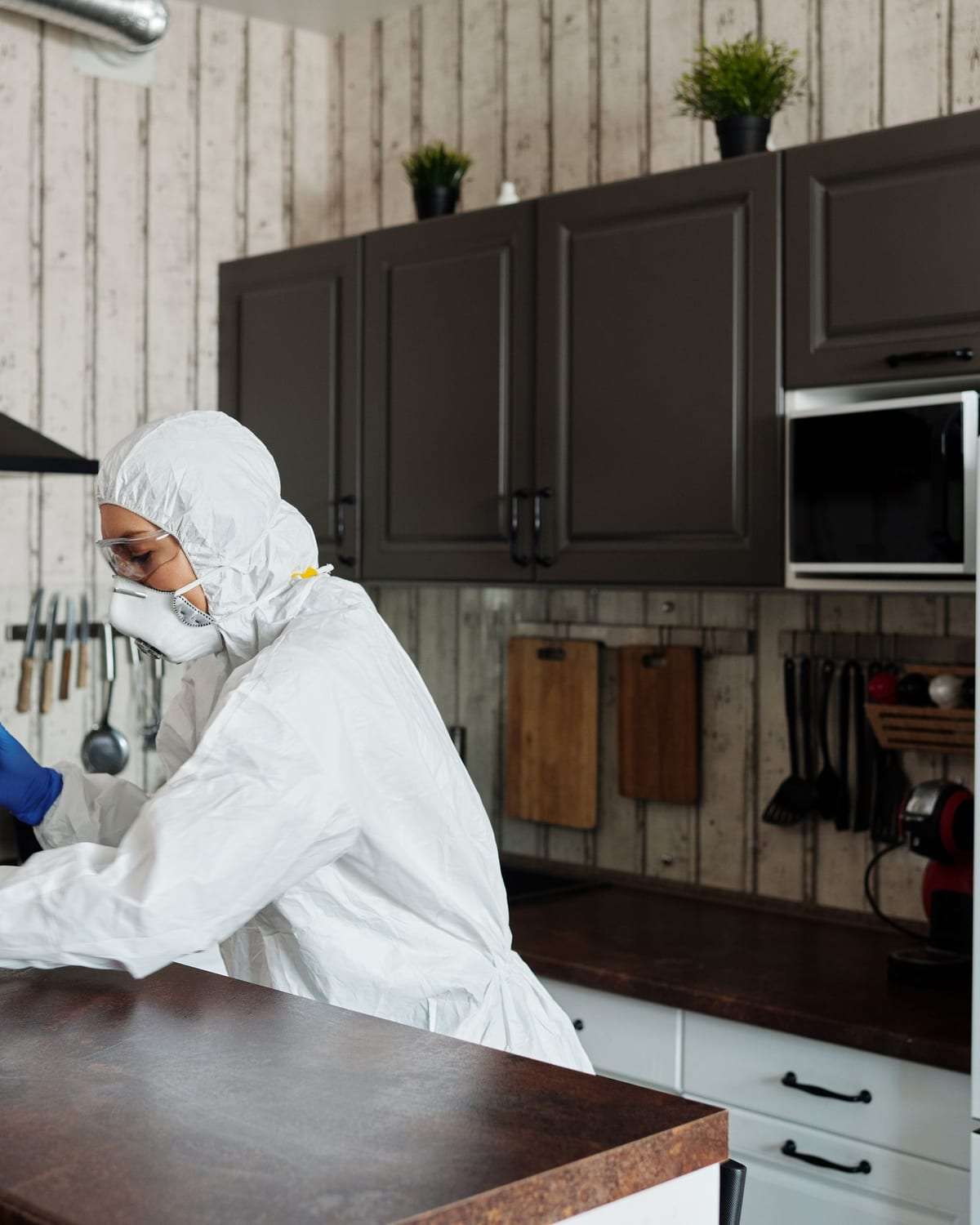
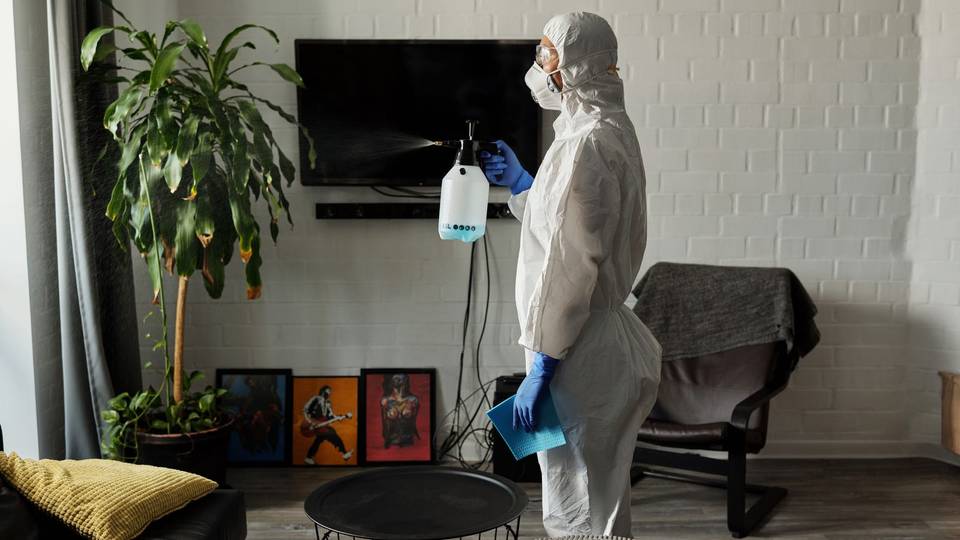
The technician who enters your home should be trained, wear suitable protective equipment and carry company identification. They explain what they’ll do, give clear instructions and don’t rush. A technician without protective equipment, or who doesn’t know what they’re using, is a sign worth noting.
Ask the company about its technicians’ training and who to contact if you have a concern after the visit. Follow-up and good communication are a core part of the service.
7. Warning signs
- No licence or commercial registration, or dodging the question.
- Promises of a “100% guarantee” or “total elimination” of all pests.
- Claims that products are “completely safe” and need no precautions.
- Pressure to agree immediately at a “today only” price.
- Refusal to give a written offer.
- Asking for full payment upfront for a multi-visit plan.
- Not asking about children, pets or allergies.
One sign doesn’t necessarily mean a company is bad, but it’s a reason to ask more questions before agreeing.
8. Re-treatment policy
Many companies offer re-treatment at no extra cost if the problem returns within a set period, subject to conditions such as following preparation and prevention instructions. This policy matters, but read the details: how long? Which pests? What voids it?
Remember that any promise of an “absolute guarantee” is unrealistic, because pests returning can depend on factors outside the home, such as neighbours and shared drains. A clear, realistic promise beats a big, vague one.
Keep the written offer, the visit date and any report — these are what you need if you ask for re-treatment later. If the problem returns, contact the company early within the agreed period rather than waiting for it to spread.
9. For businesses
If you’re choosing a company for a restaurant, hotel, warehouse or food business, add to the above: experience with similar premises, the ability to work outside opening hours, detailed written reports after each visit, a record of products used, and quick response to emergencies between scheduled visits.
Ask how the company helps you prepare for what inspectors may require. Read about business contracts and the restaurant pest control guide.
10. How SaudiPestControl helps
Instead of calling dozens of numbers and explaining your problem each time, you describe it once in a structured form: the pest, the property, how widespread it is, the location and how urgent it is. Your request then reaches licensed pest control companies serving your area, who contact you with offers.
You decide: compare offers using the criteria above, ask your questions, and choose what suits you with no obligation. We don’t carry out pest control ourselves, and we don’t charge you anything for the request.
FAQ
How do I check a company’s licence?
Ask for the licence number and commercial registration, and check them through the competent authorities’ official channels.
Is the cheapest offer the best?
Not necessarily. Compare scope: pests, areas, number of visits, follow-up and re-treatment policy.
Should I trust a company promising a “100% guarantee”?
Be careful — pests returning can depend on factors outside the home. A clear, realistic promise is better.
Should I pay everything upfront?
It’s best to agree clear payment terms in the written offer, especially for multi-visit plans.
Does SaudiPestControl charge me?
No — the request is free for customers and without obligation.
This guide is general information, not medical or technical advice, and contains no instructions for using pesticides. Treatment is the work of licensed pest control companies; for stings, bites or health symptoms, seek medical help immediately.