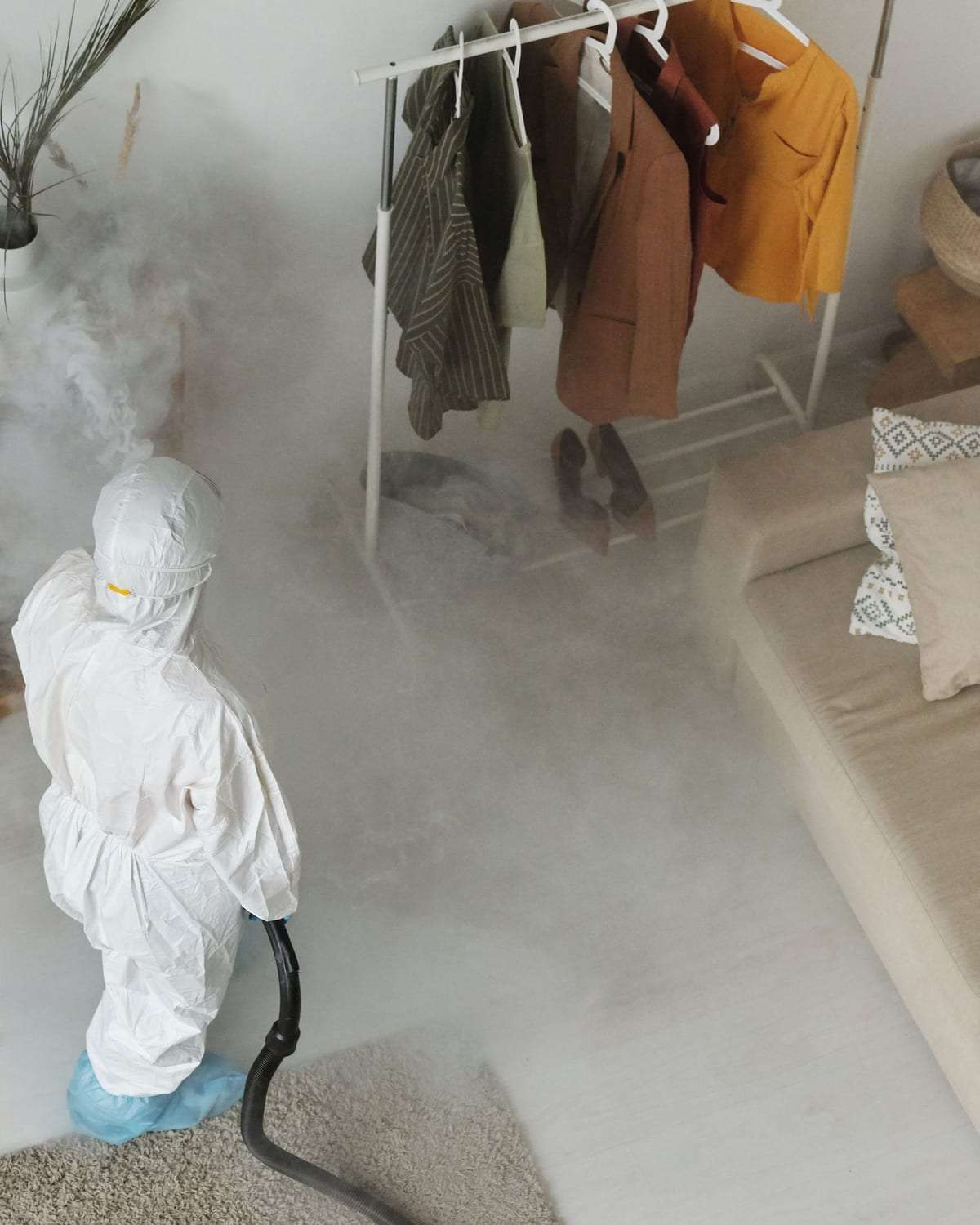
1. One-time treatment: what it means
One-time treatment means agreeing with a company to solve a specific problem — cockroaches in the kitchen, bed bugs in a room, ants in the garden. It may involve a single visit, a main visit with a follow-up, or several close visits depending on the pest, and the arrangement ends once the problem is solved and any re-treatment period has passed.
This option suits many homes when the problem is new or limited, doesn’t recur often, and there’s no permanent outside cause bringing pests back.
2. A regular contract: what it means
A regular contract is an agreement for a set period — a year, for example — in which the company visits the property at regular intervals, monthly, every two months or quarterly, to inspect and treat preventively, and responds to problems between visits as the contract specifies. It usually includes written reports after each visit and a specific list of pests covered.
The core idea of a contract is prevention and monitoring, not treatment after a problem appears. Regular visits catch signs early and deal with them before they spread.
3. When is one-time treatment enough?
- The problem is new, appearing in the last few days or weeks.
- The infestation is limited to one area or room.
- The home is relatively self-contained — not an apartment building with shared drains bringing the problem back.
- There’s no farm, large garden or permanent outside source of pests.
- You can keep up prevention after treatment.
In these cases targeted treatment with one follow-up is usually enough, and costs less in the short term.
4. When is a contract better?
- Restaurants, cafés, commercial kitchens and food businesses.
- Hotels, furnished flats and staff housing, where occupants change constantly.
- Warehouses and stores for food, dates and fodder.
- Apartment buildings where problems keep spreading between flats.
- Large villas, rest houses and homes near farms.
- Hot, humid cities and areas where pests return quickly.
- Businesses that need written records for inspections.
5. Comparing cost
One-time treatment costs less at first, but if the problem recurs several times a year, the total of separate treatments can exceed an annual contract. A contract spreads the cost over scheduled visits and usually includes follow-up, reports and response between visits.
So don’t compare the price of one visit directly with an annual contract. Ask yourself: how many times did I need pest control last year? What does a recurring problem cost me in disruption, losses or penalties? We don’t show prices on this site, but we explain the factors that drive cost.
6. What to check in a regular contract
- Duration, renewal and cancellation.
- Number of visits, the interval, and who sets the dates.
- Pests covered — exactly — and what’s excluded.
- Areas covered: indoors, garden, stores, roof, annexes.
- Response between visits: are emergency call-outs included, and how fast is the response?
- Reports: are written reports provided after each visit?
- Payment: monthly, quarterly or upfront.
Don’t sign a contract you don’t understand — ask about every unclear clause first.
7. A contract for a home: is it worth it?
Many homes don’t need a regular contract; treatment when needed plus good prevention is enough. But some homes benefit from one: large villas with gardens and annexes, homes near farms or open land, homes in humid coastal cities, and homes where the problem keeps returning despite treatment.
Some families prefer a preventive visit before summer and another after, without a full annual contract. That middle option suits many cases — ask the company about it.
If you tried one-time treatment and the problem came back more than once within a few months, that suggests an ongoing cause — a leak, shared drains or an outside source. In that case, discuss the cause with the company first, then decide between dealing with the source and a regular contract that monitors it.
8. Contracts for businesses: why they’re most common
In food businesses, hotels and warehouses, waiting for a problem to appear and then treating it is usually not enough. A single cockroach in front of a customer, or a rodent in a food store, can cost the business its reputation or lead to a penalty. That’s why most of these businesses rely on regular contracts with scheduled visits and written reports.
Regular reports help a business show its pest control commitment during inspections and track any recurring problem in a particular spot. Read about business contracts.
9. Questions to ask before choosing
- How many times did the problem appear in the last year?
- Is the source inside the property or outside it?
- Is there a permanent reason for it to return — a farm, shared drains, food activity?
- Do I need written records for an inspecting authority?
- Can I keep up prevention myself?
- What does the re-treatment policy cover in the one-time offer?
If most answers point to recurrence or a permanent source, a contract is usually better. If the problem is new and limited, start with one-time treatment.
10. How to request offers
In the SaudiPestControl request form you choose the type of service: one-time, a monthly or quarterly contract, or “not sure”. If you choose “not sure”, companies will suggest what they think fits once they know the details — and you can ask for two offers to compare: one-time and a contract.
Mention the property type, whether it’s residential or commercial, and how often the problem recurs; this helps companies make offers that suit your case.
FAQ
Is a regular contract more expensive than one-time treatment?
Usually more in total, but it can be better value if the problem recurs several times a year.
Can a contract be cancelled?
That depends on its terms. Read the cancellation and renewal clauses before signing.
Does a contract cover all pests?
Not always. Check the list of covered pests in the written contract.
Does a home need a contract?
Most homes don’t, but large villas and homes near farms or in humid areas may benefit.
Can I ask for two offers to compare?
Yes — choose “not sure” in the form and ask companies for a one-time offer and a contract offer.
This guide is general information, not medical or technical advice, and contains no instructions for using pesticides. Treatment is the work of licensed pest control companies; for stings, bites or health symptoms, seek medical help immediately.