For restaurants, hotels and warehouses
Commercial pest control and regular service contracts
For a business, pests are more than a nuisance: one cockroach in front of a customer in a restaurant, or a rat in a food warehouse, can cost reputation and stock and lead to violations at inspection. That’s why many restaurants, cafés, hotels and warehouses rely on regular pest control contracts instead of waiting for a problem.
A good contract means scheduled visits, monitoring points, written reports documenting every visit, and a quick response between visits when needed. With SaudiPestControl you describe your business once, and your request reaches licensed pest control companies in your city who contact you with offers.
When does your business need a pest control contract?
A regular contract is especially suitable if:
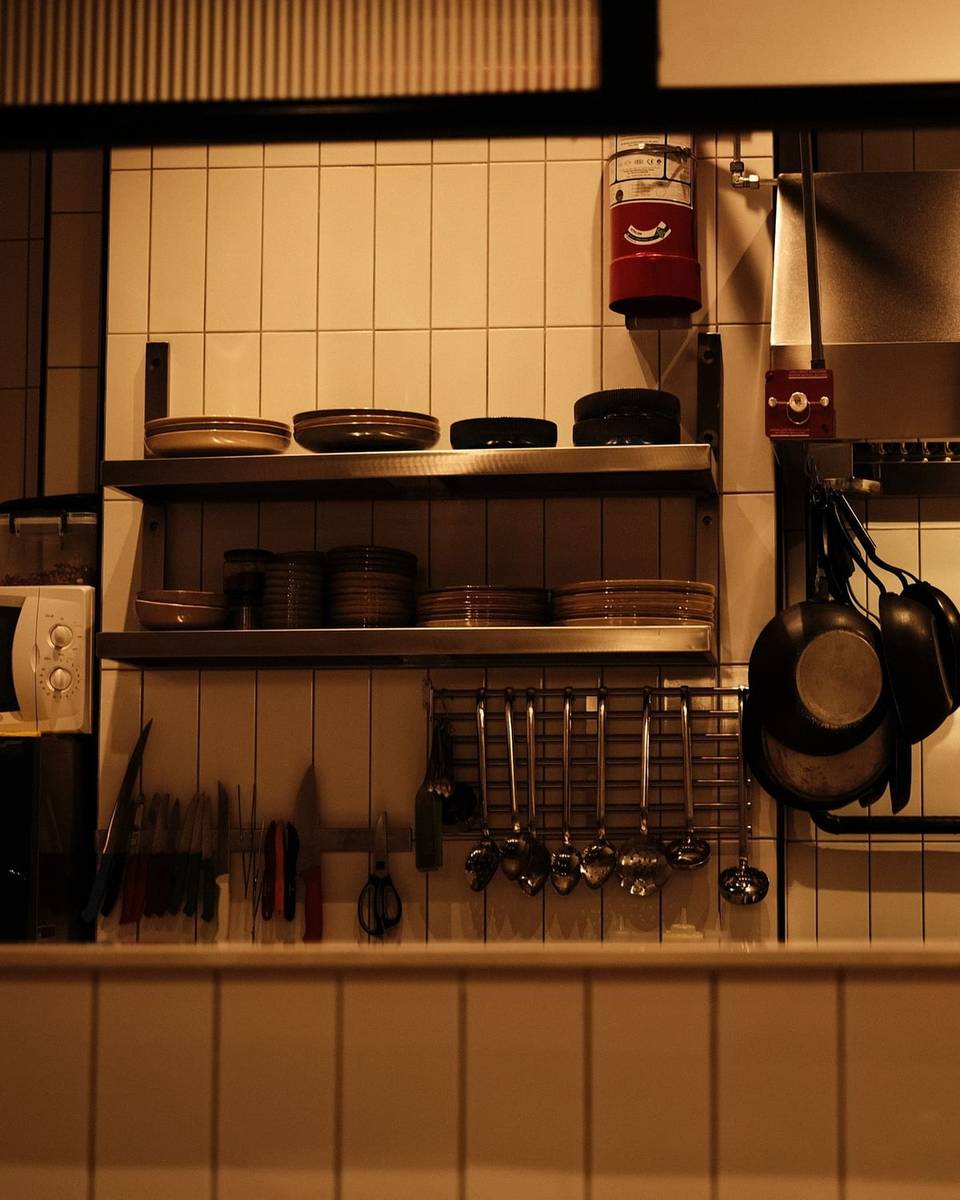
A food business
A restaurant, café, bakery, central kitchen or food shop handling food every day.
Accommodation
A hotel, serviced apartments or staff housing with a constant flow of guests.
Storage and goods
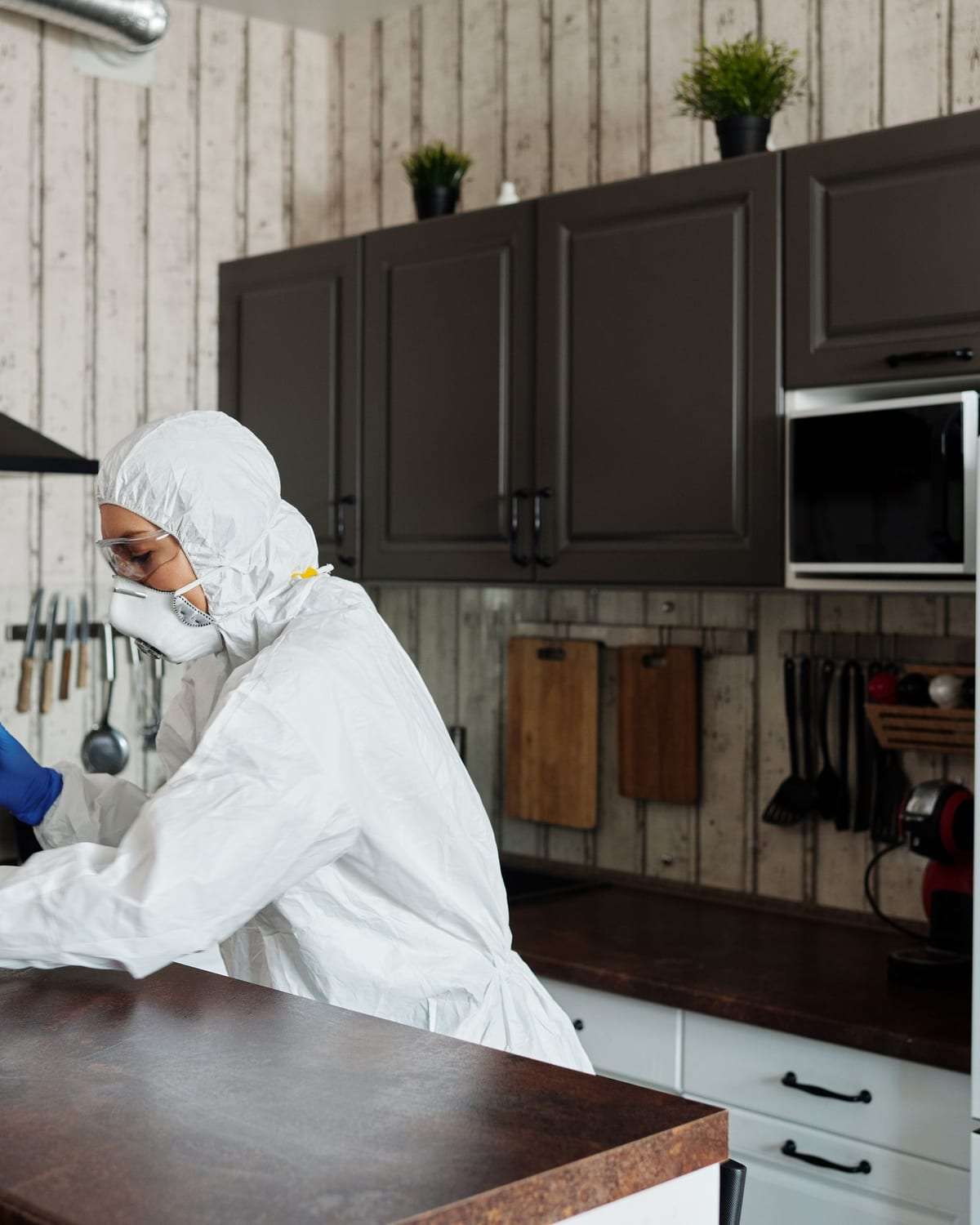
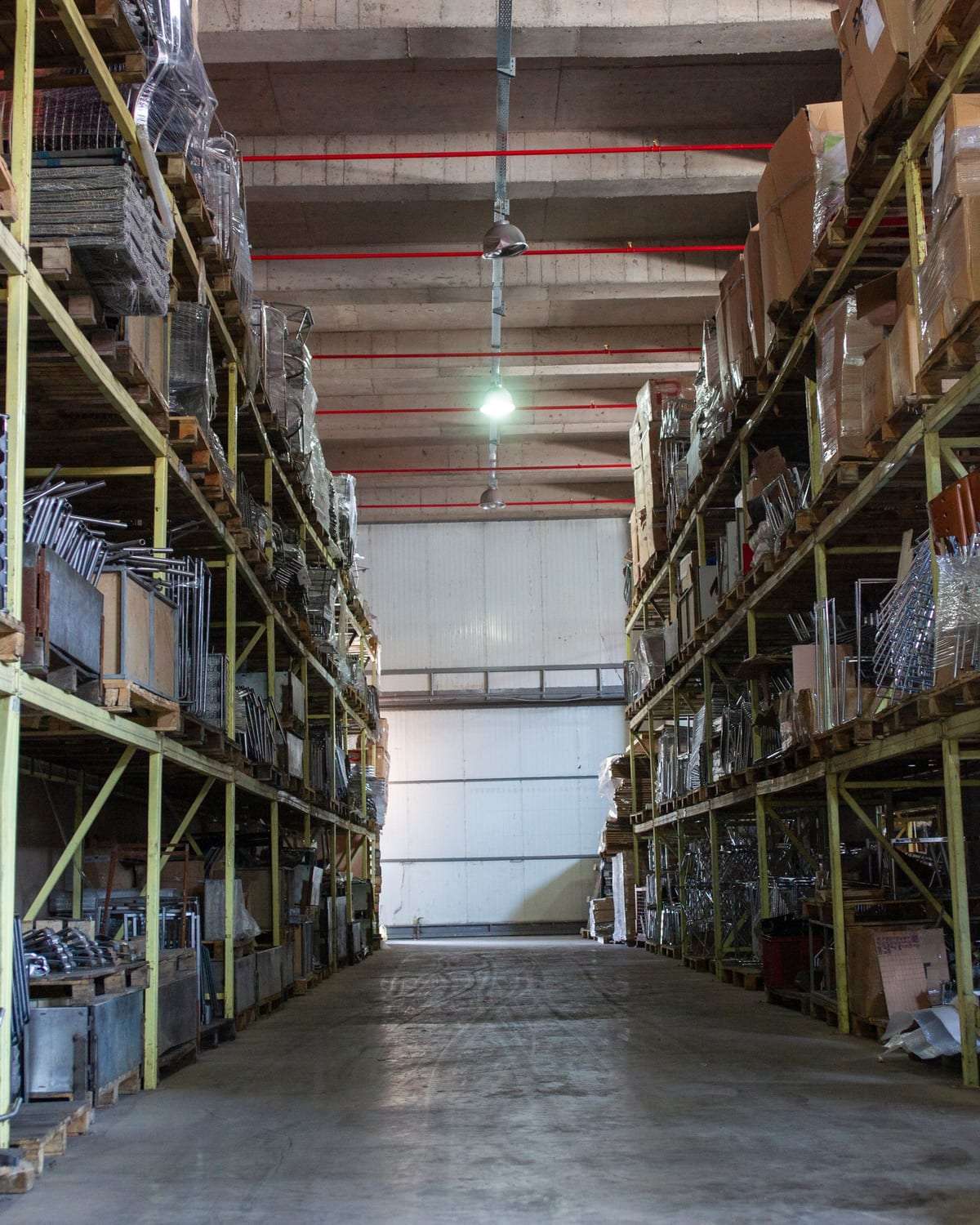
A warehouse or store holding food, cardboard or sensitive goods.
A recurring problem
Insects or rodents keep coming back despite one-off treatments.
Why businesses face recurring problems
Businesses receive goods and cardboard every day that can carry pests, handle food, water and waste in large quantities, and run long hours across changing shifts. All of this creates good conditions for cockroaches, rodents and flies without regular monitoring.
Restaurant buildings and commercial complexes are also connected by shared drains and services, so a problem may come from a neighbouring business. A one-time treatment can work for a while, but regular monitoring is what keeps the problem away.
What a regular contract adds
A licensed company doesn’t just treat; it builds a plan for the premises: monitoring points and rodent stations in chosen spots, a visit schedule, and reports documenting what was found, what was treated and its recommendations. These reports help management, and the authorities may ask to see them at inspection.
The company also knows how to work around food and customers, choosing visit times, approved products and methods suited to food preparation areas, without stopping the business more than necessary.
What a contract usually includes
Initial inspection
A full inspection of the premises, identifying risks, entry points and monitoring spots.
Scheduled visits
Regular visits matched to the business, treating what appears and checking rodent stations.
Reports and records
A written report for each visit, a record of treatments and products used, and recommendations for management.
Call-outs
A visit between scheduled ones when a problem appears, under the contract terms.
How to prepare your business
- Name a person at the business to accompany the technician and receive reports.
- Have details ready of opening hours and suitable visit times.
- Tell the company about previous problems and treatments.
- Organise storerooms and keep goods off walls and the floor for inspection.
- Store food and preparation tools as the company instructs before each visit.
Safety in food businesses
In kitchens and food preparation areas, follow the company’s instructions on covering food and tools, when work can resume, and cleaning surfaces before preparation. Ask for these instructions in the report so every staff member on every shift knows them.
Don’t let staff move or open rodent stations, and tell the company if they are damaged or moved. In hotels and accommodation, schedule treatments so guests don’t enter rooms before the time the company gives.
What the business does between visits
- Check goods and cardboard on delivery before taking them into storage.
- Clean the kitchen and food areas at the end of every shift, leaving nothing overnight.
- Close gaps under outside doors and around service openings.
- Use closed bins and empty them regularly.
- Log any sighting of insects or rodents and report it to the company.
What to ask the company
- Does the company hold a valid licence and have experience with businesses like mine?
- How many visits per month or quarter, and what does each include?
- Do you provide a written report for each visit and a record of the approved products used?
- Are the reports suitable for what the authorities may ask for at inspection?
- What are the terms for call-outs between visits?
- What is the contract length, and the renewal and termination terms?
What decides the contract value?
The value of a contract depends on:
- The type and size of the business and the number of branches.
- The number of visits per month or quarter.
- The number of monitoring points and rodent stations.
- The pests covered by the contract.
- Call-out terms and the reports required.
Read the pest control cost guide and one-time treatment vs a contract.
Business contracts: FAQ
Is a pest control contract mandatory for restaurants?
The authorities may ask for proof of pest control in food businesses. Check the current requirements in your city, and choose a company that provides documented reports.
How many visits does a restaurant need?
It depends on the size and activity of the restaurant and its history. The company proposes a schedule after the initial inspection.
Can treatment be done without closing the restaurant?
Many visits are carried out outside opening hours or with methods that don’t require closing. Agree this in the contract.
Does the contract cover both rodents and cockroaches?
It depends on the contract. List the pests covered in writing.
Do you cover branches in different cities?
List the cities in your request; it reaches companies that serve them, and some may cover several cities.
Can contracts include termites?
Yes, for warehouses and buildings with woodwork. Read about termite control.
Related services

Helpful guides
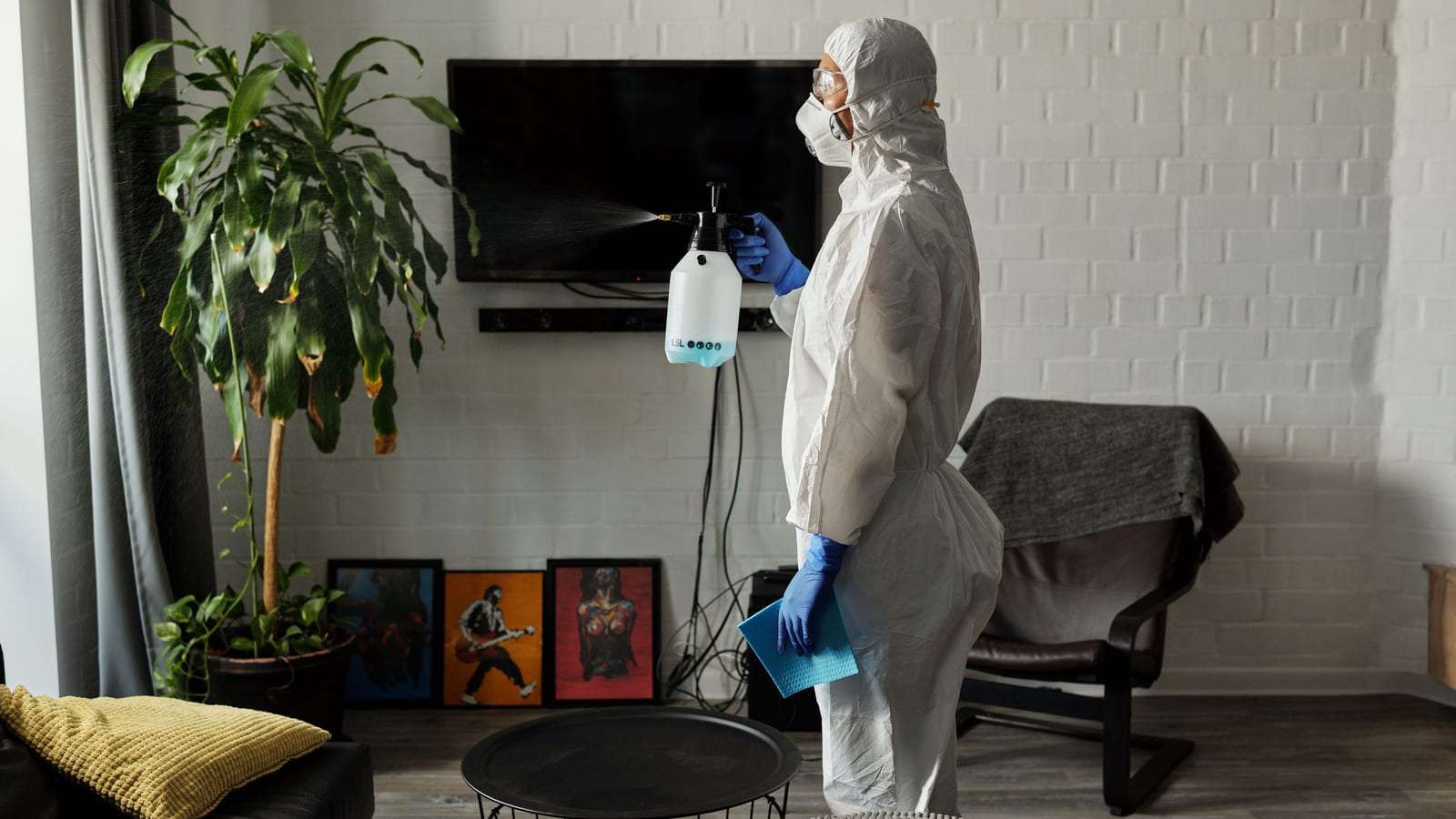

Request pest control contract offers
Describe your business once and let licensed companies in your city contact you with offers.