1. What are bed bugs and why are they hard to spot?
Bed bugs are small, flat, brown insects; adults are roughly the size of a lentil, and the young are smaller and paler. They feed on human blood, usually at night while people sleep, then return to hiding places in cracks and seams near the bed — so you may never see them during the day.
Their flat bodies let them hide in very narrow gaps: mattress seams, bed-frame joints, behind the headboard, in sofa joints, even behind electrical sockets and hanging pictures. Finding them takes a systematic search, not a quick look.
2. The signs to look for
The most common signs — the more of them you find together, the more likely it is:
- Small dark spots on the mattress, sheets or bed frame, like ink dots — these are droppings.
- Small blood spots on sheets or pillowcases.
- Shed skins — pale brown, translucent casings left by the young as they grow.
- The bugs themselves in mattress seams and bed corners, especially when checked with a torch at night or early morning.
- Bites in a row or cluster on the arms, neck or legs, appearing after sleep.
- An unusual smell — slightly sweet or musty — in heavy infestations.
Bites alone aren’t enough to be sure, because people react differently and some show no marks at all. Physical signs on the bed matter more.
3. Where to look at home
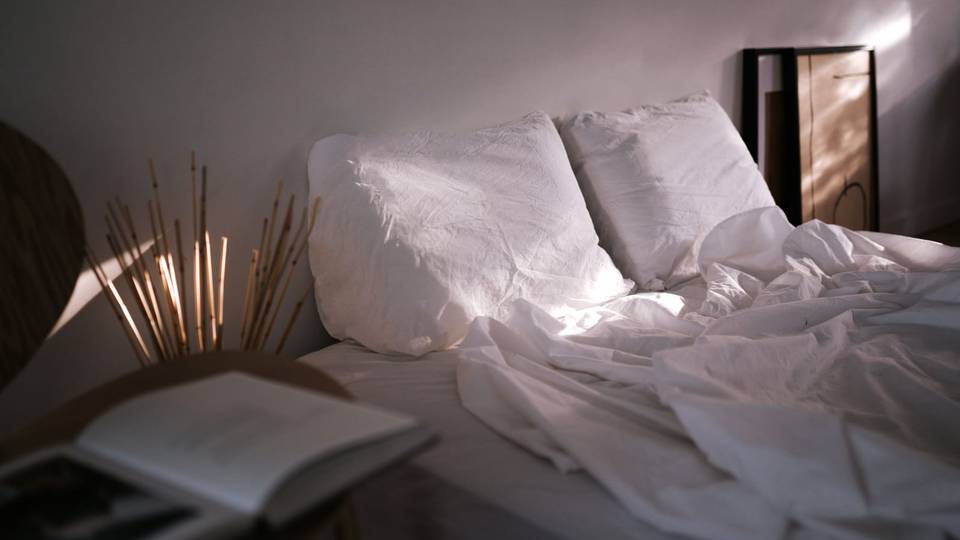
Start with the bed of whoever has the bites: lift the sheets and check the mattress seams, corners and label, then the bed base and frame, and behind the headboard. Use a strong torch and a thin card to run along cracks.
Then move around the bed: the bedside table, upholstered sofas and chairs in the same room, carpet edges, behind curtains and pictures. In a long-standing infestation you may find them in other rooms or in the majlis. Note where you found signs — it helps the company during inspection.
4. How do bed bugs get in?
Bed bugs aren’t a sign of poor hygiene, as some people think; they can appear in the cleanest homes and luxury hotels. The most common routes are luggage after travel or a stay in a hotel or furnished flat, second-hand furniture — especially mattresses and sofas — guests or workers coming from affected places, and, in apartment buildings, a neighbouring flat.
So it helps to check luggage after travel before bringing it into bedrooms, and to avoid bringing in second-hand furniture — especially mattresses — without checking it carefully.
5. What to do as soon as you suspect them
- Don’t move to sleep in another room or at relatives’ — you may carry bed bugs with you and spread the problem.
- Wash sheets, pillowcases and clothes near the bed in hot water, and dry on high heat if possible.
- Keep washed items in sealed bags until treatment is finished.
- Vacuum the mattress and carpet around the bed, then seal the vacuum bag and dispose of it outside.
- Don’t put furniture out on the street without wrapping and labelling it — it may spread bed bugs to neighbours.
- Photograph the signs you found; photos help the company assess the problem before the visit.
6. What to avoid
What most often makes bed bugs worse is random spraying with household insecticides or products bought without knowledge. Unsuitable spraying can drive bed bugs deeper and into other rooms, and can expose the family to substances that shouldn’t be used in bedrooms, especially with children.
That’s why this site doesn’t publish pesticide names or mixing and spraying methods — that is the work of licensed companies using approved products safely. Also avoid dangerous “solutions” such as open flames or flammable substances near furniture; they don’t solve the problem and can cause accidents.
7. How companies treat bed bugs
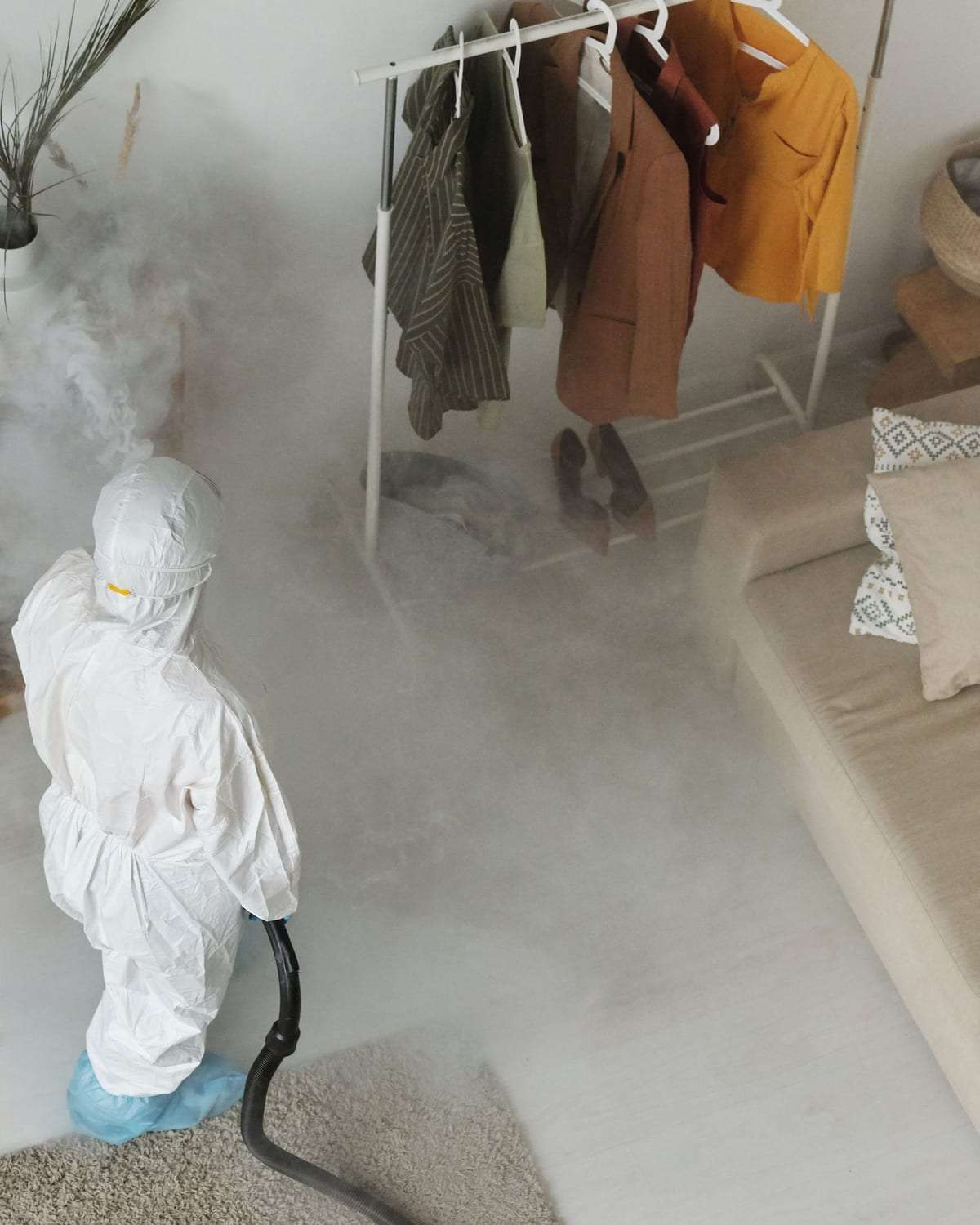
A licensed company usually starts with a careful inspection to see how far the problem has spread, then sets a plan that often includes more than one visit, because eggs may not be affected by the first treatment — the second visit deals with what hatches. The plan may combine more than one method depending on the case and the furniture.
The company will give you preparation instructions — such as washing bedding and emptying drawers near the bed — and aftercare instructions, such as how long to stay out of the room. Follow them closely; success depends heavily on it. Read about bed bug treatment.
8. Rented flats, apartment buildings and hotels
In a rented flat, tell the landlord or building management as soon as you find signs, because bed bugs can move between flats and treating one flat alone may not be enough. In furnished flats, hotels and staff housing, regular inspection between tenants or guests helps, as does immediate treatment of any room showing signs.
For businesses where the problem keeps recurring, a regular contract with an inspection log is usually better than calling a company for every complaint. Read about business contracts.
9. Bites and health
Bed bug bites are irritating and can itch, but bed bugs aren’t generally considered to spread disease. Some people react more than others, and worry and poor sleep can affect wellbeing. Try not to scratch the bites.
If you have a strong allergic reaction, an infection or any symptoms that concern you, or the bites are on a baby or someone who is unwell, see a doctor or pharmacist. If there is difficulty breathing or facial swelling, seek medical help immediately.
FAQ
Are bed bugs a sign of poor hygiene?
No — they can appear in the cleanest homes and hotels, and usually arrive in luggage and second-hand furniture.
Is it enough to spray the bed?
Usually not, because bed bugs hide in many places around the bed and in other rooms. A full inspection and a complete plan work better.
How many visits does treatment take?
Usually more than one, because eggs may not be affected by the first treatment. The company sets the number after inspection.
Should I throw the mattress away?
Not necessarily — many mattresses can be treated. Ask the company after inspection, and if you do dispose of it, wrap it well first.
How do I stop bed bugs coming back after travel?
Check luggage before taking it into bedrooms, wash clothes in hot water, and avoid putting suitcases on hotel beds.
This guide is general information, not medical or technical advice, and contains no instructions for using pesticides. Treatment is the work of licensed pest control companies; for stings, bites or health symptoms, seek medical help immediately.