1. Start with a licensed company
Safety starts with who you let into your home. Licensed companies work to the requirements of the competent authorities, use approved products, and employ trained technicians who wear protective equipment. Unlicensed work may use products of unknown origin or methods unsuitable indoors.
Ask the company for proof of its licence and about its technicians’ training. Through SaudiPestControl we only work with companies that say they’re licensed, but you always have the right to check for yourself before agreeing. Read how to choose a pest control company.
2. Tell the company everything from the start
Mention in your request and on the phone:
- Babies or young children, and their ages.
- A pregnant woman in the home.
- Elderly people or anyone with asthma, allergies or respiratory conditions.
- Pets — cats, dogs, birds, fish, reptiles — and where they live in the home.
- A garden where children play, or vegetables grown to eat.
- A pool or uncovered water tank.
Our request form asks about “occupants who need extra care” for exactly this reason, so companies know before they suggest a treatment method.
3. Questions to ask the company
- Which method will you use, and why does it suit a home with children or pets?
- Are the products approved by the competent authorities?
- How long should we stay out of treated rooms?
- Do we need to leave the whole house or just some rooms?
- What should we do with toys, dishes and pet items?
- When can we clean the floors after treatment?
- What should we watch for after we return?
A serious company welcomes these questions, answers them clearly and gives written instructions if you ask.
4. Before the visit
- Gather toys and children’s things from the floor and put them in a closed cupboard or outside treated rooms.
- Store food, dishes and cooking utensils in closed cupboards or sealed bags.
- Prepare a safe place for pets outside the home or in a room that won’t be treated, as the company advises.
- Cover the fish tank and switch off the air pump if the company asks — or move it if possible.
- Move pet food and water bowls and bird cages away.
- Plan where children and elderly relatives will spend the treatment time.
5. During treatment
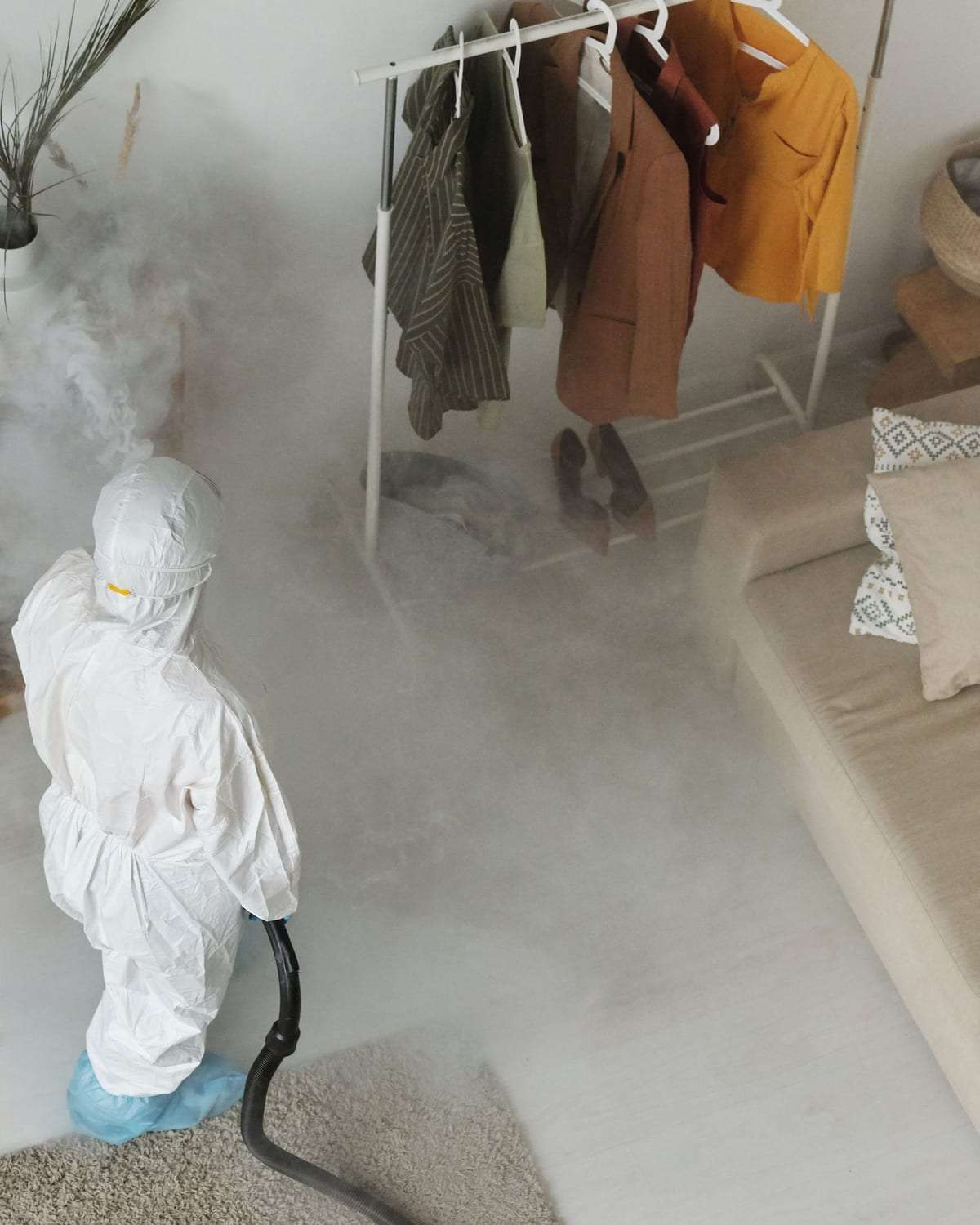
It’s best for children, babies, pets, elderly relatives and anyone with allergies not to be present during treatment, even if the method is targeted and limited. Usually one adult staying to talk to the technician and open doors is enough, as the company advises.
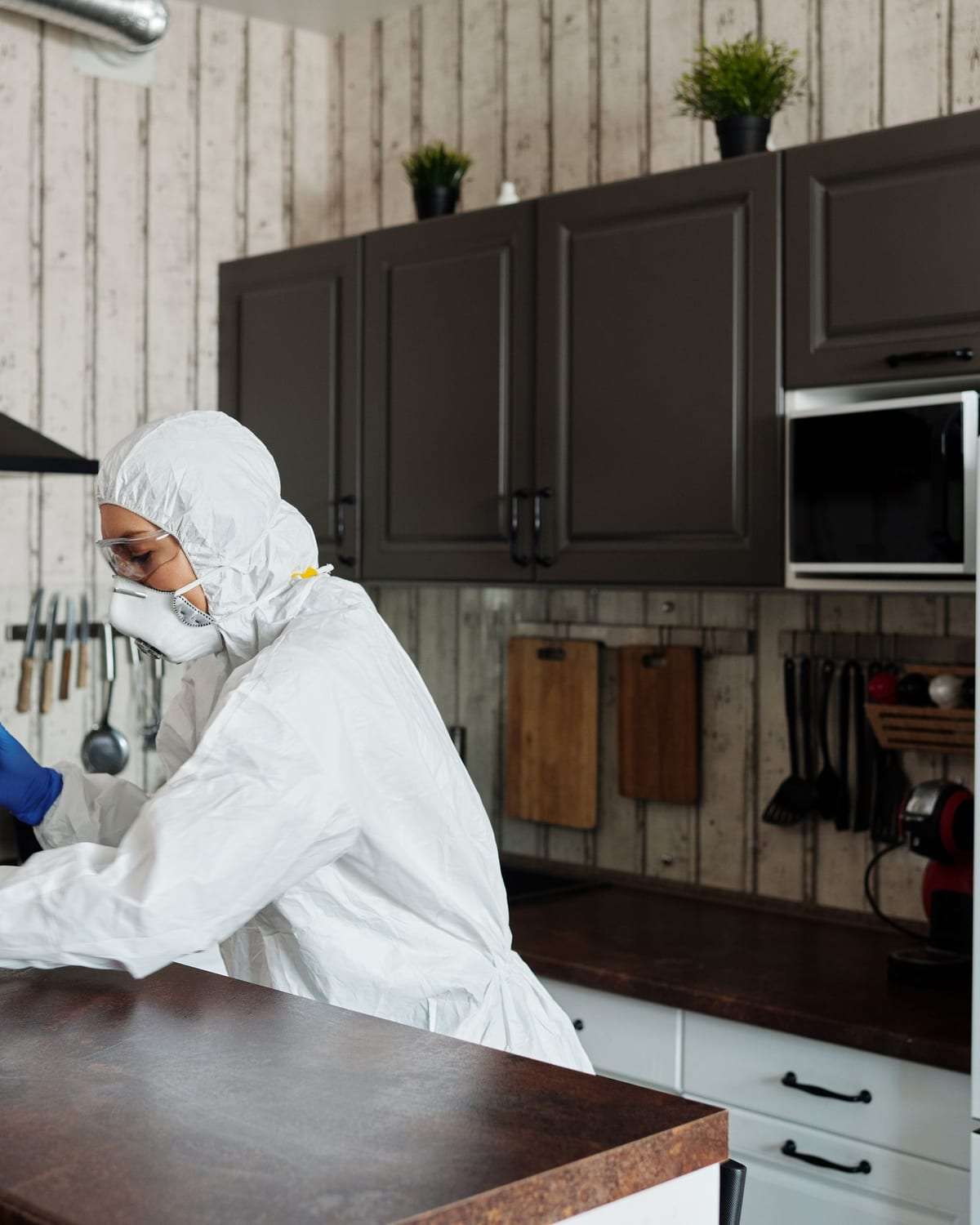
Don’t interfere with the technician’s work, but don’t hesitate to ask if something worries you, such as treatment near children’s things. A professional technician wears suitable protective equipment and explains what they’re doing if you ask.
6. After treatment
Stick to the time the company sets before returning to treated rooms, and air the home well by opening windows when you return if the company advises it. Don’t let children and pets back into the rooms before that time, even if everything looks normal.
Ask the company when you can mop floors and clean surfaces, as some treatments need to stay in place for a while to work. Wash food-contact surfaces before use, and return toys and belongings once you’ve checked the instructions.
7. Pets: extra care
Pets spend a lot of time on the floor and lick their fur and paws, so they need extra care. Cats are sensitive to some substances, birds are very sensitive to what’s in the air, and fish are affected by anything that reaches the water. Tell the company the type of each animal and follow its instructions closely.
If your pet shows any unusual symptoms after treatment — severe lethargy, vomiting or difficulty breathing — contact a vet immediately and tell them the treatment date and the company’s name.
8. When to seek medical help
If any family member shows unusual symptoms after treatment — shortness of breath, severe coughing, dizziness, or skin or eye irritation — move away to fresh air and seek medical help immediately, or call emergency services in severe cases.
Tell the doctor the treatment date and the company’s name, and ask the company for information about the products used to give to the doctor. Don’t try to treat the symptoms yourself.
9. Prevention reduces the need for treatment
- Keep the kitchen and bathrooms dry and fix leaks.
- Store food in airtight containers and empty bins daily.
- Seal cracks and gaps around pipes and doors.
- Fit window screens.
- Clean pet feeding areas and empty bowls at night.
- Check luggage after travel before taking it into bedrooms.
The fewer pests through prevention, the less treatment you need — and if you do need it, it’s simpler and shorter.
10. Avoid risky home remedies
When parents worry about pests near their children, they sometimes buy insecticides at the market and spray them heavily in bedrooms and the kitchen. This is often riskier than professional treatment, because the products may not be suitable indoors, the amounts aren’t controlled, and the spray lands on surfaces, toys and the air children breathe.
That’s why this site gives no pesticide names or mixing and spraying methods. It’s safer to focus on safe home prevention and leave treatment to a licensed company that knows what to use, where and when. Keep any chemicals at home out of children’s reach and in their original containers.
FAQ
Is pest control safe with a baby at home?
Licensed companies choose a suitable method when they know there’s a baby. Tell them, and follow the instructions on staying away and airing the home closely.
Do we need to leave the house?
It depends on the method and the rooms treated. Ask the company — it will tell you whether staying out of some rooms is enough.
What should I do with the fish tank?
Tell the company about it. It may ask you to cover it and switch off the air pump, or move it during treatment.
When can the children go back to their rooms?
After the time the company sets and good airing — not before.
What if a family member shows symptoms?
Move away to fresh air, seek medical help immediately, and tell the doctor the treatment date and the company’s name.
This guide is general information, not medical or technical advice, and contains no instructions for using pesticides. Treatment is the work of licensed pest control companies; for stings, bites or health symptoms, seek medical help immediately.