1. Why restaurants attract pests
A restaurant brings together everything insects and rodents need: plenty of food and food waste, water from sinks, dishwashers and drains, warmth from ovens, cookers and fridges, and many hiding places behind equipment, under counters and in stores. The kitchen runs long hours, leaving fewer chances to deep-clean every corner.
Goods arrive daily from different suppliers and can bring insects or eggs in boxes and bags. Back doors open often for deliveries and rubbish, making an easy way in. In malls and markets the problem can come from a neighbouring business through drains or false ceilings.
2. The most common pests
- Cockroaches: in kitchens, drains, grease traps and behind equipment — the most common.
- Rodents: in stores, around rubbish and in false ceilings, leaving droppings and gnaw marks.
- Flies: around rubbish, delivery areas and open doors.
- Ants: around sugar, sweets and drinks.
- Stored-product insects: in flour, rice, pulses and spices.
3. Daily prevention: the whole team’s job
The most successful businesses make prevention part of the daily routine, not something someone remembers when a problem shows up. That means a clear cleaning checklist for each shift, a named person responsible for each area, and simple training for staff to notice signs and report them immediately.
Key parts of the daily routine: cleaning floors, drains and under equipment at the end of each day, never leaving food or dirty dishes overnight, emptying and cleaning bins, drying sinks and surfaces, and closing back doors and windows. A worker who sees a cockroach or rodent droppings should know who to tell and how to record it.
4. Deliveries and storage
- Check goods and boxes on delivery, and reject anything with signs of insects or gnawing.
- Unpack goods from boxes into clean containers or shelves, and dispose of cardboard outside the kitchen.
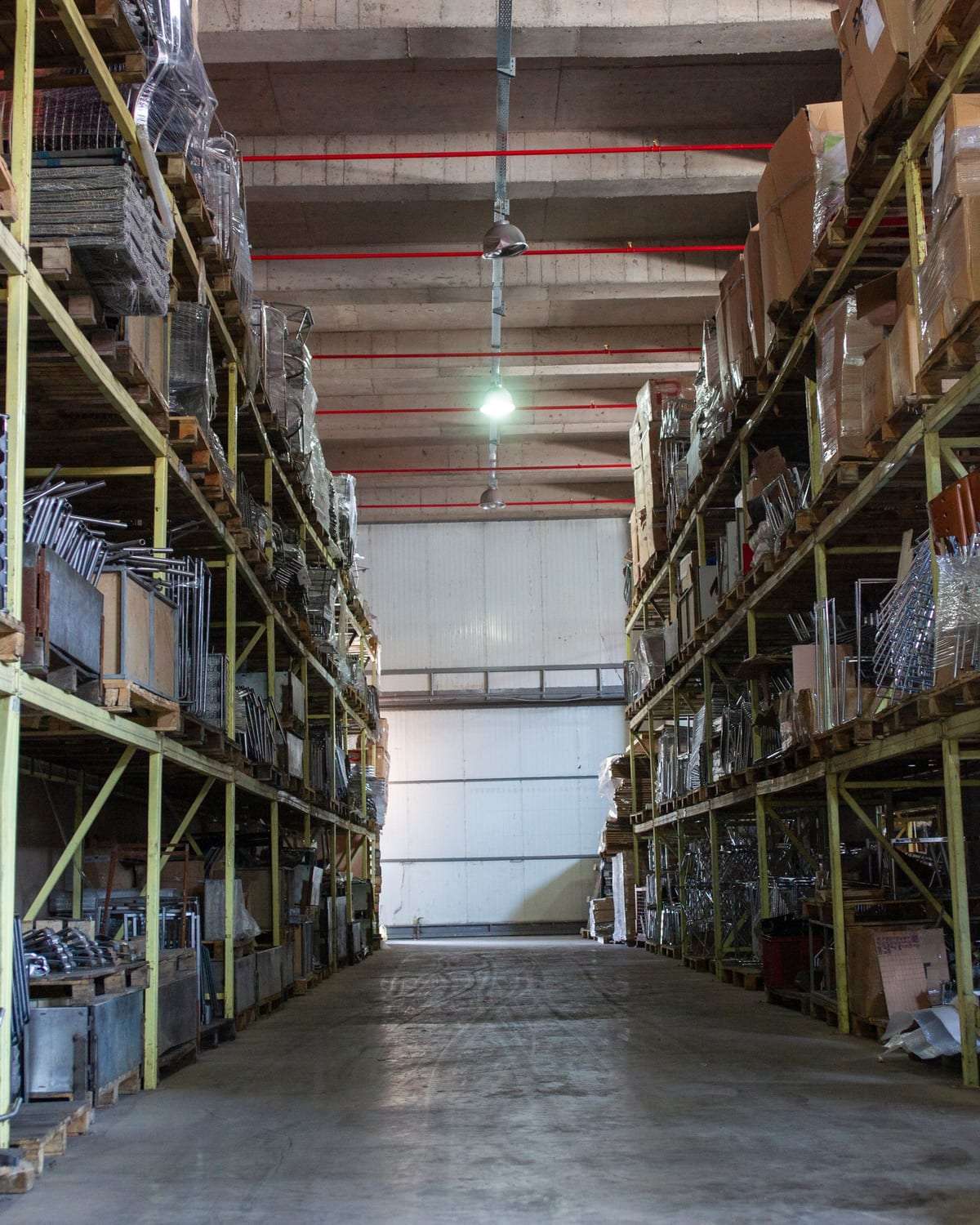
- Store goods on shelves off the floor and slightly away from the wall for easy inspection and cleaning.
- Use airtight containers for flour, rice, sugar and pulses.
- Apply “first in, first out” so goods don’t sit for long.
- Inspect the store weekly for signs of insects or rodents.
5. Drains and grease traps
Drains and grease traps are among the places cockroaches and flies breed most in restaurants, because they’re damp, dark and full of food residue and grease. They need regular cleaning on a clear schedule, with tight covers and suitable mesh to stop insects coming out.
Any pipe leak or water pooling under equipment should be fixed quickly, because it provides the water pests need. If drains connect to a shared network in a mall, coordinate with management on treating the whole network.
6. Why a regular contract?
Daily prevention is essential, but it doesn’t replace regular professional pest control. That’s why most restaurants and cafés rely on a regular contract with a licensed company that visits at set intervals to inspect and treat preventively, responds to problems between visits, and provides written reports.
A contract turns pest control from reaction into a system: scheduled visits, fixed monitoring points, and a log showing what was found, what was treated and what needs follow-up. That log is useful for management and for what inspectors may ask. Read one-time treatment vs a regular contract.
7. What to expect from the company
- A valid pest control licence and experience with food businesses.
- A thorough first inspection and a written plan setting monitoring and treatment points.
- Visits at times that don’t clash with service — before opening or after closing.
- A written report after every visit covering what was found, what was treated and recommendations.
- A record of the products used and where.
- Quick response to emergencies between scheduled visits.
- Clear advice for the team on prevention, sealing and cleaning.
8. Food safety during pest control
Treatment in a food business needs particular care so that products don’t touch food, surfaces or utensils. Experienced licensed companies know this; they use approved products and methods suited to kitchens, and specify what to cover or move before the visit and what to clean afterwards.
Follow the company’s instructions closely, and don’t allow staff to spray household insecticides themselves — it can contaminate food and damage the business’s reputation. This site gives no product names or spraying methods; that’s specialist work.
9. Being ready for inspection
The competent authorities care about food businesses being clean and pest-free, and at inspection may ask for proof of the business’s pest control commitment. So it helps to keep in a clear place the pest control contract, recent visit reports, proof of the company’s licence, and a log of actions taken after each finding.
It isn’t only about paperwork: a genuinely clean business whose team knows and follows the procedures is best placed to pass inspection confidently. Detailed requirements vary by authority and type of activity, so check them with the competent authorities.
10. What to do if a problem suddenly appears
- Don’t ignore or hide it — small problems grow quickly in a kitchen.
- Record the place, time and what you saw, and take photos.
- Contact your contracted company immediately for an emergency visit.
- Remove any food that may have been contaminated and clean the area thoroughly.
- Review with the team what allowed the problem: an open door, infested goods or missed cleaning.
- If you don’t have a contract, request offers from licensed companies and choose “today” or “within 2–3 days” in the form.
11. Cafés, bakeries and cloud kitchens
Small cafés may think they’re less at risk, but sugar, sweets, milk and coffee machines attract ants and cockroaches a lot. Bakeries need particular care with flour and stored-product insects. Cloud kitchens and central kitchens run long hours at high volume, so they need a stricter system and more detailed reports.
In every case the principle is the same: daily prevention the team knows, a licensed company visiting regularly, and a clear record of everything that happens. Read about business contracts.
FAQ
How often does a restaurant need a pest control visit?
It depends on size, activity and area. Many restaurants use monthly visits; the company sets the schedule after inspection.
Can pest control happen without closing the restaurant?
Usually yes — with visits before opening or after closing. Agree the timing with the company.
Do I need a report after every visit?
Yes — a written report helps management and supports you at inspection.
Can staff spray themselves?
It isn’t recommended — random spraying can contaminate food. Leave treatment to the licensed company and keep the team focused on prevention.
Do you cover malls and restaurants with several branches?
Yes — give the number of branches and their locations in your request.
This guide is general information, not medical or technical advice, and contains no instructions for using pesticides. Treatment is the work of licensed pest control companies; for stings, bites or health symptoms, seek medical help immediately.